
The Thursday, May 6th Meeting of ECOS-FV will be held at the Menasha Library in the Company E room, beginning at 6 PM. The general agenda for the meeting is shown below and as attachment. As always, the meeting is free and open to the public. For those of you that missed our April meeting, I have attached a PDF copy of the handout that was provided by our speaker on Organic Lawn Care and March meeting notes. We learned a lot at this meeting!
Please plan to attend and join the in on our discussions on improving sustainability in the Valley! We need your ideas and energy…
Regards… Roger Kanitz
ECOS-FV Meeting Agenda – 5/6/10
1) Current Activity Up-dates from Attendees
2) Up-date on Affiliated groups
a) Sustainable Fox Valley - Roger
b) VHBA green home - Roger
c) Others
3) Educational Programming
a) Compost Joe - Mike
b) Water Program - Kathy
c) Fuel - Cindy
4) ECOS/Member Project Up-dates
a) Biggest Loser – Larry/Jim
b) Home Energy Conservation - Roger
c) Others
5) Logistic Needs
a) List serve Up-dates/Needs - Connie
b) Advertising improvements - Connie
6) New Project Discussions
a) Earth Day 2011 Planning – All
b) Other
7) Open Discussion and Wrap-up
Friday, April 30, 2010


Thursday, April 29, 2010
Dodge County farming couple who emphasizes environmentalism
From an article by John Oncken in The Capital Times:
"We've always been conservation minded because the soil is so important to us. The soil is our strength. We know that you can't abuse the soils and get good yields. It's always been our goal to try and have the best soils we can."
That's how Nancy Kavazanjian, who with her husband Charles Hammer farm some 1,800 acres in Dodge county, explains their approach to farming. Pure and simple, their motto is "Our Soil, Our Strength."
Charlie Hammer, a fourth generation farmer on this land east of Beaver Dam, and Nancy Kavazanjian, a city girl from Long Island, New York, have put their beliefs into action during the 30 years of their marriage:
• Practiced no-till farming since 1985.
• Use a three-crop rotation of corn, soybeans and wheat to maintain fertility and organic matter in their soils.
• Were early users of precision agriculture with a Global Positioning System that meant grid soil sampling, fertilizer and chemical monitoring, efficient wheel traffic during field work and minimal soil compaction.
The environmentally minded couple have proved themselves over and over with their innovative farming methods and cooperation with environmental agencies.
Their latest move was the erection of a wind turbine that is quietly making green electricity every minute the wind is moving. The 120-foot tower, appearing similar to the farm windmills ever spinning on most Midwest farms prior to the advent of electricity, began making electricity in September 2009.
"We've always been conservation minded because the soil is so important to us. The soil is our strength. We know that you can't abuse the soils and get good yields. It's always been our goal to try and have the best soils we can."
That's how Nancy Kavazanjian, who with her husband Charles Hammer farm some 1,800 acres in Dodge county, explains their approach to farming. Pure and simple, their motto is "Our Soil, Our Strength."
Charlie Hammer, a fourth generation farmer on this land east of Beaver Dam, and Nancy Kavazanjian, a city girl from Long Island, New York, have put their beliefs into action during the 30 years of their marriage:
• Practiced no-till farming since 1985.
• Use a three-crop rotation of corn, soybeans and wheat to maintain fertility and organic matter in their soils.
• Were early users of precision agriculture with a Global Positioning System that meant grid soil sampling, fertilizer and chemical monitoring, efficient wheel traffic during field work and minimal soil compaction.
The environmentally minded couple have proved themselves over and over with their innovative farming methods and cooperation with environmental agencies.
Their latest move was the erection of a wind turbine that is quietly making green electricity every minute the wind is moving. The 120-foot tower, appearing similar to the farm windmills ever spinning on most Midwest farms prior to the advent of electricity, began making electricity in September 2009.
Wednesday, April 28, 2010
Biomass power is good for Wisconsin
From a Community Conversation column by Bob Cleaves, president of the Biomass Power Association, in the Sheboygan Press:
Wisconsin is in the midst of a serious debate about the environmental impact of biomass power, and whether increasing their use of clean, renewable biomass for electricity could potentially lead to unintended negative consequences, specifically with respect to forest health and greenhouse gas emissions. The truth, however, is that increasing our use of biomass power will improve forest health in Wisconsin and reduce the amount of greenhouse gases released into the atmosphere.
Biomass power is carbon neutral electricity generated from renewable organic waste that would otherwise be dumped in landfills, openly burned or left as fodder for forest fires.
On average, America's biomass power industry removes 68.8 million tons of forest waste annually, improving forest health and dramatically reducing the threat of forest fires. This forest waste includes dead debris and brush left to rot on the forest floor. Clearing this debris is a part of regular forest maintenance and is frequently done by state forest services in the form of open burns.
By using this waste to generate electricity, the biomass power industry is preventing the need for open burns and significantly reducing the risk and spread of forest fires. Waste byproducts from other industries and organic waste from the forest floor continue to be the only economically viable fuel sources for biomass power.
Fuel providers to the biomass power industry do not harvest wood solely for the purpose of generating electricity — forests are simply far too valuable.
Wisconsin is in the midst of a serious debate about the environmental impact of biomass power, and whether increasing their use of clean, renewable biomass for electricity could potentially lead to unintended negative consequences, specifically with respect to forest health and greenhouse gas emissions. The truth, however, is that increasing our use of biomass power will improve forest health in Wisconsin and reduce the amount of greenhouse gases released into the atmosphere.
Biomass power is carbon neutral electricity generated from renewable organic waste that would otherwise be dumped in landfills, openly burned or left as fodder for forest fires.
On average, America's biomass power industry removes 68.8 million tons of forest waste annually, improving forest health and dramatically reducing the threat of forest fires. This forest waste includes dead debris and brush left to rot on the forest floor. Clearing this debris is a part of regular forest maintenance and is frequently done by state forest services in the form of open burns.
By using this waste to generate electricity, the biomass power industry is preventing the need for open burns and significantly reducing the risk and spread of forest fires. Waste byproducts from other industries and organic waste from the forest floor continue to be the only economically viable fuel sources for biomass power.
Fuel providers to the biomass power industry do not harvest wood solely for the purpose of generating electricity — forests are simply far too valuable.
Tuesday, April 27, 2010
Manure in, money out for local farmers using anaerobic digester
From an article by Charlie Mathews in the Herald Times Reporter, Manitowoc:
NEWTON — Cows in Manitowoc County are prolific, producing nearly 1 billion pounds of milk annually.
But they also create a lot of manure — about three times more than that each year.
But Grotegut Dairy Farm in Newton is using an anaerobic digester to generate an economic and environmental payback for all that cow excrement.
"The digester is like a big stomach and you want to have a good blend," said Troy Temme, who serves as the Grotegut's extended family ownership's environmental specialist.
He said he is constantly tinkering with introducing into the 1.75 million gallon concrete, underground digester vessels the right mix of bacteria to most efficiently produce biogas.
The digester has a 21-day retention period where the bacteria are consuming organic solids and gassing off methane. The biogas rises to the top of the liquid manure and goes into a 1,000-horsepower, 16-cylinder reciprocating engine where it is burned as the fuel source, in piston chambers like those in a car.
The engine is coupled to a generator, which produces electrical power and sold to Wisconsin Public Service.
NEWTON — Cows in Manitowoc County are prolific, producing nearly 1 billion pounds of milk annually.
But they also create a lot of manure — about three times more than that each year.
But Grotegut Dairy Farm in Newton is using an anaerobic digester to generate an economic and environmental payback for all that cow excrement.
"The digester is like a big stomach and you want to have a good blend," said Troy Temme, who serves as the Grotegut's extended family ownership's environmental specialist.
He said he is constantly tinkering with introducing into the 1.75 million gallon concrete, underground digester vessels the right mix of bacteria to most efficiently produce biogas.
The digester has a 21-day retention period where the bacteria are consuming organic solids and gassing off methane. The biogas rises to the top of the liquid manure and goes into a 1,000-horsepower, 16-cylinder reciprocating engine where it is burned as the fuel source, in piston chambers like those in a car.
The engine is coupled to a generator, which produces electrical power and sold to Wisconsin Public Service.
Monday, April 26, 2010
Battle over proposed Brown County wind farms continues
From an article by Tony Walter in the Green Bay Press Gazette:
The fight over whether Brown County should be home to Wisconsin's largest wind farm continues as state regulators debate rules over such energy-producing facilities.
"Our purpose is to give our towns a voice," said Steve Deslauriers, who lives in the town of Holland. He also is a member of the Brown County Citizens for Responsible Wind Energy, a volunteer group fighting the proposed widespread installation of turbines in the towns of Morrison, Wrightstown, Glenmore and Holland.
Kevin Parzyck is the development manager for the Ledge Wind Energy Project, a 100-wind turbine farm proposed by Chicago-based Invenergy. He said the company isn't remaining idle as it waits for Wisconsin's Public Service Commission's decision on guidelines over where wind turbines can be located and what kind of impact they can have on residents and property.
"We continue to work closely with dedicated landowner groups and building relationships with county and town officials," Parzyck said. "Clear minds will see this project and its benefits."
The fight over whether Brown County should be home to Wisconsin's largest wind farm continues as state regulators debate rules over such energy-producing facilities.
"Our purpose is to give our towns a voice," said Steve Deslauriers, who lives in the town of Holland. He also is a member of the Brown County Citizens for Responsible Wind Energy, a volunteer group fighting the proposed widespread installation of turbines in the towns of Morrison, Wrightstown, Glenmore and Holland.
Kevin Parzyck is the development manager for the Ledge Wind Energy Project, a 100-wind turbine farm proposed by Chicago-based Invenergy. He said the company isn't remaining idle as it waits for Wisconsin's Public Service Commission's decision on guidelines over where wind turbines can be located and what kind of impact they can have on residents and property.
"We continue to work closely with dedicated landowner groups and building relationships with county and town officials," Parzyck said. "Clear minds will see this project and its benefits."
Friday, April 23, 2010
Wisconsin Democrats say no to Clean Energy on Earth Day
A news release issued by Clean Wisconsin:
MADISON -- Hours ago, the democratically controlled state Legislature failed the people of Wisconsin when it adjourned before taking up the Clean Energy Jobs Act.
"It's ironic that on Earth Day, our Democrat-led state Legislature effectively killed a vital piece of clean energy legislation," says Keith Reopelle, senior policy director, Clean Wisconsin. "Senate Democratic leaders Jeff Plale and Russ Decker's refusal to schedule the bill for a vote guaranteed the bill's demise."
The Clean Energy Jobs Act would have created more than 15,000Â jobs for Wisconsinites. Just yesterday, Wave Wind, a wind energy service provider in Sun Prairie, sent an open letter to the state Legislature noting that the delayed passage of the bill forced the company to lay off 12 employees. Had the bill passed, Wave Wind would have created 100 new high-quality jobs.
"The world is transitioning to a clean energy economy, and Wisconsin is getting left behind," says Reopelle. "Wisconsin has now lost the manufacturing and design jobs that would have been created by the bill  to China, California and Illinois."
The bill also would have lowered energy bills for homeowners and businesses with its renewable energy and energy efficiency provisions, allowing Wisconsin to make incremental but critically important steps toward reducing our greenhouse gas emissions and increasing our energy independence.
"It is a travesty that Wisconsin's Legislature missed the opportunity to take action on such an important bill for the health of our state's economy and environment," says Reopelle. "While today's inaction is definitely a setback, thanks to the hard work of our allies in the Legislature and coalition partners, we have laid the foundation for future clean energy legislation and remain hopeful that Wisconsin will soon return to its forward-thinking roots."
Clean Wisconsin, an environmental advocacy organization, protects Wisconsin's clean water and air and advocates for clean energy by being an effective voice in the state legislature and by holding elected officials and polluters accountable.
MADISON -- Hours ago, the democratically controlled state Legislature failed the people of Wisconsin when it adjourned before taking up the Clean Energy Jobs Act.
"It's ironic that on Earth Day, our Democrat-led state Legislature effectively killed a vital piece of clean energy legislation," says Keith Reopelle, senior policy director, Clean Wisconsin. "Senate Democratic leaders Jeff Plale and Russ Decker's refusal to schedule the bill for a vote guaranteed the bill's demise."
The Clean Energy Jobs Act would have created more than 15,000Â jobs for Wisconsinites. Just yesterday, Wave Wind, a wind energy service provider in Sun Prairie, sent an open letter to the state Legislature noting that the delayed passage of the bill forced the company to lay off 12 employees. Had the bill passed, Wave Wind would have created 100 new high-quality jobs.
"The world is transitioning to a clean energy economy, and Wisconsin is getting left behind," says Reopelle. "Wisconsin has now lost the manufacturing and design jobs that would have been created by the bill  to China, California and Illinois."
The bill also would have lowered energy bills for homeowners and businesses with its renewable energy and energy efficiency provisions, allowing Wisconsin to make incremental but critically important steps toward reducing our greenhouse gas emissions and increasing our energy independence.
"It is a travesty that Wisconsin's Legislature missed the opportunity to take action on such an important bill for the health of our state's economy and environment," says Reopelle. "While today's inaction is definitely a setback, thanks to the hard work of our allies in the Legislature and coalition partners, we have laid the foundation for future clean energy legislation and remain hopeful that Wisconsin will soon return to its forward-thinking roots."
###
Clean Wisconsin, an environmental advocacy organization, protects Wisconsin's clean water and air and advocates for clean energy by being an effective voice in the state legislature and by holding elected officials and polluters accountable.
Thursday, April 22, 2010
Legislature should celebrate Earth Day by passing Clean Energy Jobs Act
From an editorial in the Milwaukee Journal Sentinel:
The state Legislature could give Wisconsin's celebration of the 40th anniversary of Earth Day on Thursday a real boost by approving the latest version of the Clean Energy Jobs Act. The bill is aimed at reducing the state's reliance on fossil fuels and encouraging the growth of green technology and green jobs. A recent analysis by the state Public Service Commission says the measure will result in lower costs for energy consumers in coming years.
Given the threat posed by the reality of climate change and the opportunity to start creating jobs in a new industry, it's clearly a bill that deserves passage. The same threat and opportunity also should spur Congress to finally move forward on meaningful climate change legislation.
In addition to the good it would do, such legislation at the state and federal levels also would be a fitting tribute to the late Wisconsin Sen. Gaylord Nelson, the founder of Earth Day, which has spurred so much important environmental legislation over the past four decades.
The bad news in Wisconsin, however, is that it appears the bill won't be approved in the legislative session that ends Thursday. According to an article by Journal Sentinel reporters Patrick Marley and Jason Stein, the bill is on life-support in the Assembly because lawmakers feel they don't have the votes to pass it there.
And Senate Majority Leader Russ Decker (D-Wausau) has already signaled he won't let the bill pass in the Senate because of concerns it will raise utility rates, although we suspect that Decker's real opposition is based on political disagreements with Gov. Jim Doyle, who was hoping to make this bill part of his legacy.
The state Legislature could give Wisconsin's celebration of the 40th anniversary of Earth Day on Thursday a real boost by approving the latest version of the Clean Energy Jobs Act. The bill is aimed at reducing the state's reliance on fossil fuels and encouraging the growth of green technology and green jobs. A recent analysis by the state Public Service Commission says the measure will result in lower costs for energy consumers in coming years.
Given the threat posed by the reality of climate change and the opportunity to start creating jobs in a new industry, it's clearly a bill that deserves passage. The same threat and opportunity also should spur Congress to finally move forward on meaningful climate change legislation.
In addition to the good it would do, such legislation at the state and federal levels also would be a fitting tribute to the late Wisconsin Sen. Gaylord Nelson, the founder of Earth Day, which has spurred so much important environmental legislation over the past four decades.
The bad news in Wisconsin, however, is that it appears the bill won't be approved in the legislative session that ends Thursday. According to an article by Journal Sentinel reporters Patrick Marley and Jason Stein, the bill is on life-support in the Assembly because lawmakers feel they don't have the votes to pass it there.
And Senate Majority Leader Russ Decker (D-Wausau) has already signaled he won't let the bill pass in the Senate because of concerns it will raise utility rates, although we suspect that Decker's real opposition is based on political disagreements with Gov. Jim Doyle, who was hoping to make this bill part of his legacy.
Wednesday, April 21, 2010
Guest column: Clean Energy Jobs Act benefits state
From a guest column by Melissa VanOrnum, marketing manager at GHD, Inc., Chilton, and published in the Green Bay Press Gazette:
The Clean Energy Jobs Act will revitalize our economy, create jobs and reduce our dependence on fossil fuels.
A few special-interest groups claim the bill will increase our electricity rates and drive businesses out of Wisconsin. These groups suggest that Wisconsin businesses are therefore opposed to the bill. We have seen just the opposite in our interactions with businesses across the state.
We have heard from hundreds of local businesses, large and small, located throughout our state, about the Clean Energy Jobs Act. These businesses recognize that by promoting investment in energy efficiency and renewable energy, the bill will benefit our state by stabilizing and reducing electricity rates and improving our local economy.
Earlier this month, more than 200 Wisconsin businesses delivered a letter to legislators supporting the Clean Energy Jobs Act. These businesses include some of the largest employers in our state, such as Cardinal Glass, Energy Composites, Johnson Controls, Organic Valley, Orion Energy Systems and Tower Tech; companies from urban areas such as Helios Solar, Procorp Enterprises and Seventh Generation Energy Systems; and companies from rural areas such as ours, GHD, Inc. We are a family-run business that builds anaerobic digesters on farms across the state, providing renewable energy and other environmental benefits to agricultural communities.
The Clean Energy Jobs Act will revitalize our economy, create jobs and reduce our dependence on fossil fuels.
A few special-interest groups claim the bill will increase our electricity rates and drive businesses out of Wisconsin. These groups suggest that Wisconsin businesses are therefore opposed to the bill. We have seen just the opposite in our interactions with businesses across the state.
We have heard from hundreds of local businesses, large and small, located throughout our state, about the Clean Energy Jobs Act. These businesses recognize that by promoting investment in energy efficiency and renewable energy, the bill will benefit our state by stabilizing and reducing electricity rates and improving our local economy.
Earlier this month, more than 200 Wisconsin businesses delivered a letter to legislators supporting the Clean Energy Jobs Act. These businesses include some of the largest employers in our state, such as Cardinal Glass, Energy Composites, Johnson Controls, Organic Valley, Orion Energy Systems and Tower Tech; companies from urban areas such as Helios Solar, Procorp Enterprises and Seventh Generation Energy Systems; and companies from rural areas such as ours, GHD, Inc. We are a family-run business that builds anaerobic digesters on farms across the state, providing renewable energy and other environmental benefits to agricultural communities.
Tuesday, April 20, 2010
We Energies, Alliant Energy and other utilities in group urging passage of Clean Energy Jobs Act
From a news release issued by CREWE, a coalition of the following organizations -- Alliant Energy, Xcel, We Energies, Madison Gas and Electric, WPPI Energy, EcoEnergy, Johnson Controls, C5•6 Technologies, Axley Brynelson, Orion Energy Systems, Forest County Potawatomi Community, Poblocki Sign Company, Emerging Energies of Wisconsin, MillerCoors, American Transmission Co., DTE Energy Services, Kranz, Inc. and Greenwood Fuels:
(MADISON, Wis.)—The coalition for Clean, Responsible Energy for Wisconsin’s Economy (CREWE) today urged the State Assembly to pass the Clean Energy Jobs Act (CEJA) in order to create thousands of jobs and reduce electricity costs for Wisconsin consumers and businesses.
“The amended Clean Energy Jobs Act provides even more benefits than the original version, so our representatives must make the obvious choice and pass this bill,” Thad Nation, executive director of CREWE, said. “In fact, a recent survey shows that business leaders are eager to undertake energy efficiency efforts as a means of saving money and growing their respective businesses.”
CREWE member Johnson Controls surveyed more than 1,400 executives in North America and found that improving energy efficiency in buildings is their top priority. According to the Public Service Commission, the energy efficiency provisions in the new CEJA are likely to save Wisconsin ratepayers billions of energy dollars over the next several years.
The Assembly will vote on the bill Tuesday.
Among the amendments, a more aggressive energy efficiency policy will keep electricity affordable and target Wisconsin’s manufacturing, large commercial and and institutional sectors, which in turn will produce
many high-quality, well-paying jobs, Nation added.
(MADISON, Wis.)—The coalition for Clean, Responsible Energy for Wisconsin’s Economy (CREWE) today urged the State Assembly to pass the Clean Energy Jobs Act (CEJA) in order to create thousands of jobs and reduce electricity costs for Wisconsin consumers and businesses.
“The amended Clean Energy Jobs Act provides even more benefits than the original version, so our representatives must make the obvious choice and pass this bill,” Thad Nation, executive director of CREWE, said. “In fact, a recent survey shows that business leaders are eager to undertake energy efficiency efforts as a means of saving money and growing their respective businesses.”
CREWE member Johnson Controls surveyed more than 1,400 executives in North America and found that improving energy efficiency in buildings is their top priority. According to the Public Service Commission, the energy efficiency provisions in the new CEJA are likely to save Wisconsin ratepayers billions of energy dollars over the next several years.
The Assembly will vote on the bill Tuesday.
Among the amendments, a more aggressive energy efficiency policy will keep electricity affordable and target Wisconsin’s manufacturing, large commercial and and institutional sectors, which in turn will produce
many high-quality, well-paying jobs, Nation added.
Monday, April 19, 2010
Let's pass the Clean Energy Jobs Act to celebrate Earth Day!
Tomorrow the Assembly will be voting on the Clean Energy Jobs Act.
RENEW Wisconsin and dozens of other organizations have been working hard to pass the job-creating legislation.
Clean Wisconsin set up a Web site where you can easily send an email to your legislators to urge them to vote "yes" for the bill.
Contact them now, before the Assembly votes.
Let's make this happen!
RENEW Wisconsin and dozens of other organizations have been working hard to pass the job-creating legislation.
Clean Wisconsin set up a Web site where you can easily send an email to your legislators to urge them to vote "yes" for the bill.
Contact them now, before the Assembly votes.
Let's make this happen!
Thursday, April 15, 2010
Legislators Fire Blanks at Clean Energy Jobs Act
A commentary by Michael Vickerman, executive director of RENEW Wisconsin:
Immediate release
April 15, 2010
More information
Michael Vickerman
RENEW Wisconsin
608.255.4044
mvickerman@renewwisconsin.org
The argument advanced by these three lawmakers is truly absurd, given the facts of the situation. In the first place, Iowa’s Alternative Energy Production (AEP) law, which dates from 1983, requires the state’s two largest electric utilities to add a mere 105 megawatts (MW) of generating capacity between them. By 1997, both utilities had achieved full compliance with that law. That mandate has not been increased or modified since that time.
Fast forward to April 2010. Windpower capacity alone in Iowa now totals 3,670 MW, and the Hawkeye State is now the second largest producer of wind-generated electricity in the nation behind Texas. According to the Iowa Policy Project, windpower accounted for 14% of the state’s electric output in 2009. Additional information on windpower development in Iowa can be accessed here.
The vast majority of Iowa’s windpower capacity was built for reasons other than complying with the state’s renewable energy policy. Iowa utilities invested in windpower because it is the lowest cost generation option available to them. Here’s what MidAmerican Energy Company, Iowa’s largest investor-owned utility, says about its windpower assets.
It’s worth pointing out that a significant percentage of Iowa’s wind capacity serves Wisconsin utilities, among them Madison Gas & Electric (MGE), which owns the 30 MW Top of Iowa 3 installation and purchases additional supplies of wind-generated electricity from independently owned facilities there. These facilities were constructed after 2006, the year Wisconsin’s current renewable energy standard was enacted. Yet MGE’s residential ratepayers have seen annual rate increases of only 1.5% in the last four years. Compared with other expenses, such as college tuition, health insurance premiums, and vehicle registration fees, electricity cost increases have barely been noticeable.
Windpower’s rapid growth in the Upper Midwest has also contributed to the reduction of fossil fuel consumption, resulting in lower natural gas prices. That benefit is passed through directly to Wisconsin energy users in the form of lower heating bills. Indeed, over the last 12 months, overall energy costs declined measurably for most Wisconsin households and businesses, thanks to the prolonged slump in natural gas prices.
There is no surer way to control energy bills than to reduce the state’s reliance on imported fossil fuels through increased conservation and substituting renewable resources wherever practical. The choice before the Legislature is clear cut and momentous. Either it can embrace a 15-year commitment to invigorate the state’s economy through sustained investment in clean energy or it can decide to coast along on current energy policies until they lapse several years from now and lose their force and effect.
We at RENEW believe the Clean Energy Jobs Act will propel the clean energy marketplace into an economic powerhouse that will generate jobs and help Wisconsin businesses remain competitive. We strongly support the passage of the Clean Energy Jobs Act bill as amended.
RENEW Wisconsin is an independent, nonprofit 501(c)(3) organization that acts as a catalyst to advance a sustainable energy future through public policy and private sector initiatives. More information on RENEW’s Web site at www.renewwisconsin.org.
Immediate release
April 15, 2010
More information
Michael Vickerman
RENEW Wisconsin
608.255.4044
mvickerman@renewwisconsin.org
Statement of Michael Vickerman
Executive Director – RENEW Wisconsin
Legislators Fire Blanks at Clean Energy Jobs Act
In an April 13 statement, Reps. Mike Huebsch (R-West Salem), Phil Montgomery (R-Green Bay), and Scott Gunderson (R-Waterford) contend that the substitute amendment for the Clean Energy Jobs Act, released earlier this week, will drive up electric rates across Wisconsin. As ammunition for their argument, the representatives point to recent requests in Iowa to raise electric rates, which they attribute to the state’s renewable energy policy.The argument advanced by these three lawmakers is truly absurd, given the facts of the situation. In the first place, Iowa’s Alternative Energy Production (AEP) law, which dates from 1983, requires the state’s two largest electric utilities to add a mere 105 megawatts (MW) of generating capacity between them. By 1997, both utilities had achieved full compliance with that law. That mandate has not been increased or modified since that time.
Fast forward to April 2010. Windpower capacity alone in Iowa now totals 3,670 MW, and the Hawkeye State is now the second largest producer of wind-generated electricity in the nation behind Texas. According to the Iowa Policy Project, windpower accounted for 14% of the state’s electric output in 2009. Additional information on windpower development in Iowa can be accessed here.
The vast majority of Iowa’s windpower capacity was built for reasons other than complying with the state’s renewable energy policy. Iowa utilities invested in windpower because it is the lowest cost generation option available to them. Here’s what MidAmerican Energy Company, Iowa’s largest investor-owned utility, says about its windpower assets.
MidAmerican began building wind turbines in 2004 and has made the investment without raising customers’ electric rates. The price of electricity per kilowatt-hour … for MidAmerican customers is lower today than it was in 1995, and the company has committed to not seek an electric rate increase to become effective until 2014, which is nearly 20 years without a rate increase.
Given MidAmerican’s experience with windpower, it is clear that the allegation from Reps. Huebsch, Montgomery and Gunderson was spun without any apparent connection to reality. The proper place to file a claim this ludicrous is in a manure digester, where it can be broken down into usable energy.It’s worth pointing out that a significant percentage of Iowa’s wind capacity serves Wisconsin utilities, among them Madison Gas & Electric (MGE), which owns the 30 MW Top of Iowa 3 installation and purchases additional supplies of wind-generated electricity from independently owned facilities there. These facilities were constructed after 2006, the year Wisconsin’s current renewable energy standard was enacted. Yet MGE’s residential ratepayers have seen annual rate increases of only 1.5% in the last four years. Compared with other expenses, such as college tuition, health insurance premiums, and vehicle registration fees, electricity cost increases have barely been noticeable.
Windpower’s rapid growth in the Upper Midwest has also contributed to the reduction of fossil fuel consumption, resulting in lower natural gas prices. That benefit is passed through directly to Wisconsin energy users in the form of lower heating bills. Indeed, over the last 12 months, overall energy costs declined measurably for most Wisconsin households and businesses, thanks to the prolonged slump in natural gas prices.
There is no surer way to control energy bills than to reduce the state’s reliance on imported fossil fuels through increased conservation and substituting renewable resources wherever practical. The choice before the Legislature is clear cut and momentous. Either it can embrace a 15-year commitment to invigorate the state’s economy through sustained investment in clean energy or it can decide to coast along on current energy policies until they lapse several years from now and lose their force and effect.
We at RENEW believe the Clean Energy Jobs Act will propel the clean energy marketplace into an economic powerhouse that will generate jobs and help Wisconsin businesses remain competitive. We strongly support the passage of the Clean Energy Jobs Act bill as amended.
--END--
RENEW Wisconsin is an independent, nonprofit 501(c)(3) organization that acts as a catalyst to advance a sustainable energy future through public policy and private sector initiatives. More information on RENEW’s Web site at www.renewwisconsin.org.
Wednesday, April 14, 2010
Groups urge passage of new version of Clean Energy Jobs Act legislation
Diverse groups lined up to support passage of the rewritten version of Clean Energy Jobs Act legislation when the new provisions were announced on Tuesday. Group already releasing statements of support include:
+ Clean Wisconsin.
+ AFL-CIO
+ Wisconsin Business Council
+ Clean, Responsible Energy for Wisconsin’s Economy (CREWE)
+ Wisconsin Environment
+ WPPI Energy.
According to the bill's co-authors the highlights of the bill make the following changes:
+ Increases the use of renewable resources to meet the state’s future energy needs, requiring 25 percent of Wisconsin’s energy needs are met by renewable sources by 2025, creates new opportunities for Wisconsin.
+ Establishes graduated statewide electricity savings goals that lead up to a 2 percent reduction by 2015 and annual reductions of 2 percent thereafter, this will help reduce energy costs to businesses and homes across the state.
+ Large conservation and efficiency projects that meet workforce standards could count toward a portion of the RPS, which accelerates savings and provides options for utilities to create jobs.
+ Supports the development of small scale renewables such as solar, wind and manure digesters through expanded Focus on Energy grants and loans that will now total $25 million per year each year for a four year period. This will allow Wisconsin Companies to grow their business and create more jobs.
+ Modifies, but not repeal, Wisconsin’s moratorium on nuclear power plants. The language has been tightened to remove the threat of constitutional challenge by tying those changes to the state’s traditional regulatory authority over the need and siting of any plant.
+ Adjusts several transportation provisions, including the elimination of the California vehicle emissions standard; the proposed low carbon fuel standard tied to decisions in other states; and boiler efficiency standards that could cause conflict with EPA regulations.
The co-authors also asked the Public Service Commission to update its cost analysis of the legislation, taking into account the changes made in the substitute amendment.
+ Clean Wisconsin.
+ AFL-CIO
+ Wisconsin Business Council
+ Clean, Responsible Energy for Wisconsin’s Economy (CREWE)
+ Wisconsin Environment
+ WPPI Energy.
According to the bill's co-authors the highlights of the bill make the following changes:
+ Increases the use of renewable resources to meet the state’s future energy needs, requiring 25 percent of Wisconsin’s energy needs are met by renewable sources by 2025, creates new opportunities for Wisconsin.
+ Establishes graduated statewide electricity savings goals that lead up to a 2 percent reduction by 2015 and annual reductions of 2 percent thereafter, this will help reduce energy costs to businesses and homes across the state.
+ Large conservation and efficiency projects that meet workforce standards could count toward a portion of the RPS, which accelerates savings and provides options for utilities to create jobs.
+ Supports the development of small scale renewables such as solar, wind and manure digesters through expanded Focus on Energy grants and loans that will now total $25 million per year each year for a four year period. This will allow Wisconsin Companies to grow their business and create more jobs.
+ Modifies, but not repeal, Wisconsin’s moratorium on nuclear power plants. The language has been tightened to remove the threat of constitutional challenge by tying those changes to the state’s traditional regulatory authority over the need and siting of any plant.
+ Adjusts several transportation provisions, including the elimination of the California vehicle emissions standard; the proposed low carbon fuel standard tied to decisions in other states; and boiler efficiency standards that could cause conflict with EPA regulations.
The co-authors also asked the Public Service Commission to update its cost analysis of the legislation, taking into account the changes made in the substitute amendment.
Tuesday, April 13, 2010
Study: 40 percent of Green Bay households use energy-efficient appliances
From an article by Mike Hoeft in the Green Bay Press Gazette:
A popular federal rebate program has highlighted the benefits of energy-saving appliances, but many Green Bay residents already know about those perks because of a similar program started in the area in 2000.
Green Bay and Honolulu led the nation with 40 percent of households owning so-called green appliances, which are more energy efficient than their predecessors, according to a new study from Scarborough Research, a consumer research firm.
That's a higher percentage than the national rate of 32 percent of households with green appliances, according to Scarborough.
The popularity of green appliances in Green Bay could be attributed to the city's inclusion as a test site for the state Focus on Energy program aimed at helping residents and businesses install cost-effective energy efficiency and renewable energy products.
Northeastern Wisconsin was used as a test site in 2000, a year before the Focus on Energy program rolled out statewide in 2001, said Bobbi Fey, assistant director of residential programs for the efficient-energy effort.
The top users of energy in the home are furnaces, air conditioners, refrigerators, freezers and dishwashers.
"Wisconsin overall has a large market share in high-efficiency appliances. We've been helping educate customers and getting it on their radar," Fey said.
A popular federal rebate program has highlighted the benefits of energy-saving appliances, but many Green Bay residents already know about those perks because of a similar program started in the area in 2000.
Green Bay and Honolulu led the nation with 40 percent of households owning so-called green appliances, which are more energy efficient than their predecessors, according to a new study from Scarborough Research, a consumer research firm.
That's a higher percentage than the national rate of 32 percent of households with green appliances, according to Scarborough.
The popularity of green appliances in Green Bay could be attributed to the city's inclusion as a test site for the state Focus on Energy program aimed at helping residents and businesses install cost-effective energy efficiency and renewable energy products.
Northeastern Wisconsin was used as a test site in 2000, a year before the Focus on Energy program rolled out statewide in 2001, said Bobbi Fey, assistant director of residential programs for the efficient-energy effort.
The top users of energy in the home are furnaces, air conditioners, refrigerators, freezers and dishwashers.
"Wisconsin overall has a large market share in high-efficiency appliances. We've been helping educate customers and getting it on their radar," Fey said.
Monday, April 12, 2010
Costs of coal plants keep going up
A commentary by Michael Vickerman, RENEW Wisconsin:
For Immediate Release
April 7, 2010
For More Information Contact
Michael Vickerman
608.255.4044
mvickerman@renewwisconsin.org
In recent weeks, some groups have suggested that we maintain our current energy portfolio, continuing to rely heavily on coal-fired generation for a substantial amount of our electricity. These groups claim that gradually moving toward more reliance on local, in-state sources of energy will increase electricity costs. These claims have been thoroughly discredited by two economic studies concluding that electricity bills will decrease with the Clean Energy Jobs Act.
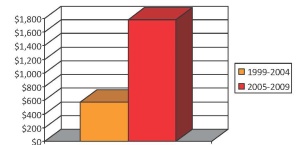
Further, these groups refuse to acknowledge the substantial, ongoing costs associated with coal plants. Since 1999, Wisconsin utilities have spent over $2 billion of customer money keeping old, inefficient coal plants running. For comparison purposes, this sum is nearly triple the utilities’ investment in windpower facilities during the same period. Customers have seen the real and substantial impact of these coal plant costs through rising electricity rates over the past several years. These costs are in addition to the more than $700 million (exclusive of transportation costs) we send out of state each year to pay for the coal to fuel these aging plants. Reliance on dirty, antiquated coal plants leaves Wisconsin in a vulnerable position, unable to predict or control energy costs.
Unlike coal, clean resources like biogas, wind and solar will produce energy throughout their productive lives without requiring costly pollution abatement measures. Going forward, the more renewable energy we add to Wisconsin’s energy resource mix, the less exposed we will be to these downstream liabilities. The avoidance of these regulatory risks is another compelling reason for passing the Clean Energy Jobs Act legislation in this session.
For Immediate Release
April 7, 2010
For More Information Contact
Michael Vickerman
608.255.4044
mvickerman@renewwisconsin.org
In recent weeks, some groups have suggested that we maintain our current energy portfolio, continuing to rely heavily on coal-fired generation for a substantial amount of our electricity. These groups claim that gradually moving toward more reliance on local, in-state sources of energy will increase electricity costs. These claims have been thoroughly discredited by two economic studies concluding that electricity bills will decrease with the Clean Energy Jobs Act.
Further, these groups refuse to acknowledge the substantial, ongoing costs associated with coal plants. Since 1999, Wisconsin utilities have spent over $2 billion of customer money keeping old, inefficient coal plants running. For comparison purposes, this sum is nearly triple the utilities’ investment in windpower facilities during the same period. Customers have seen the real and substantial impact of these coal plant costs through rising electricity rates over the past several years. These costs are in addition to the more than $700 million (exclusive of transportation costs) we send out of state each year to pay for the coal to fuel these aging plants. Reliance on dirty, antiquated coal plants leaves Wisconsin in a vulnerable position, unable to predict or control energy costs.
Unlike coal, clean resources like biogas, wind and solar will produce energy throughout their productive lives without requiring costly pollution abatement measures. Going forward, the more renewable energy we add to Wisconsin’s energy resource mix, the less exposed we will be to these downstream liabilities. The avoidance of these regulatory risks is another compelling reason for passing the Clean Energy Jobs Act legislation in this session.
Coal Plant Retrofit Costs (1999-2009)
(in Millions of Dollars)

Friday, April 9, 2010
Two Rivers gets funds for solar installation and energy efficiency
From an article by Cindy Hodgson in the Manitowoc Herald Times Reporter:
TWO RIVERS — The city will receive a $74,700 Energy Efficiency and Conservation Block Grant for energy-saving projects at city buildings, City Manager Greg Buckley announced recently.
Two Rivers is one of 82 municipalities to receive funding from the program, which is through the American Recovery and Reinvestment Act and administered by the Wisconsin Department of Commerce and Office of Energy Independence, according to a news release.
Buckley told the City Council at its meeting Monday the city had applied for about $85,000.
The city still needs to sign a final agreement with the Department of Commerce.
The grant requires a local match of at least $32,400, which will be obtained through a no-interest loan from WPPI Energy, which supplies the city's electricity.
The money will be used for more energy-efficient interior lighting at Lester Public Library, City Hall and garages used by the public works and cemetery departments; solar water heating systems at the fire station and the Two Rivers Senior Center; and variable speed motors for the heating, ventilating and air conditioning system at City Hall.
TWO RIVERS — The city will receive a $74,700 Energy Efficiency and Conservation Block Grant for energy-saving projects at city buildings, City Manager Greg Buckley announced recently.
Two Rivers is one of 82 municipalities to receive funding from the program, which is through the American Recovery and Reinvestment Act and administered by the Wisconsin Department of Commerce and Office of Energy Independence, according to a news release.
Buckley told the City Council at its meeting Monday the city had applied for about $85,000.
The city still needs to sign a final agreement with the Department of Commerce.
The grant requires a local match of at least $32,400, which will be obtained through a no-interest loan from WPPI Energy, which supplies the city's electricity.
The money will be used for more energy-efficient interior lighting at Lester Public Library, City Hall and garages used by the public works and cemetery departments; solar water heating systems at the fire station and the Two Rivers Senior Center; and variable speed motors for the heating, ventilating and air conditioning system at City Hall.
Wednesday, April 7, 2010
Wisconsin Public Service Corp. wants to increase electric, gas rates
From an article by Richard Ryman in The Northwestern (Oshkosh):
Utility says one reason it needs hike is people are conserving energy
Wisconsin Public Service Corp. is asking to raise utility rates by $6.25 per month in 2011.
The Green Bay-based utility said Thursday it filed a request with the state Public Service Commission asking for a 6.9 percent increase in electricity rates and a 1.2 percent increase in natural gas distribution rates. The utility calculates the rate hike would increase typical residential electricity bills by $5.31 per month and typical natural gas bills by 94 cents per month.
The company said decreased electricity and natural gas use because of recession and increased conservation and energy-efficiency efforts are the major factors in the request.
David Kyto, director of rate case process, said the utility has cut $36 million in expenses, but other fixed costs, such as repair and maintenance of electrical lines, natural gas pipes and substations, cannot be reduced. That reduction includes the elimination of 220 jobs.
"We simply can't cut back on the activities that make sure the lights come on when the switch is turned and the furnace operates when the thermostat calls for heat," Kyto said.
The utility is in the midst of a four-year pilot program using decoupled rates. Under decoupling, the utility is guaranteed a set amount of revenue in return for enacting conservation measures and encouraging its customers to do the same. Decoupled rates apply to residential customers and small commercial customers, but not to large industrial users.
The Public Service Commission approved the decoupling mechanism because it reasoned that utilities would have no incentive to encourage consumers to buy less electricity and gas if they weren't guaranteed a set amount of revenue if sales were less than projections.
Utility says one reason it needs hike is people are conserving energy
Wisconsin Public Service Corp. is asking to raise utility rates by $6.25 per month in 2011.
The Green Bay-based utility said Thursday it filed a request with the state Public Service Commission asking for a 6.9 percent increase in electricity rates and a 1.2 percent increase in natural gas distribution rates. The utility calculates the rate hike would increase typical residential electricity bills by $5.31 per month and typical natural gas bills by 94 cents per month.
The company said decreased electricity and natural gas use because of recession and increased conservation and energy-efficiency efforts are the major factors in the request.
David Kyto, director of rate case process, said the utility has cut $36 million in expenses, but other fixed costs, such as repair and maintenance of electrical lines, natural gas pipes and substations, cannot be reduced. That reduction includes the elimination of 220 jobs.
"We simply can't cut back on the activities that make sure the lights come on when the switch is turned and the furnace operates when the thermostat calls for heat," Kyto said.
The utility is in the midst of a four-year pilot program using decoupled rates. Under decoupling, the utility is guaranteed a set amount of revenue in return for enacting conservation measures and encouraging its customers to do the same. Decoupled rates apply to residential customers and small commercial customers, but not to large industrial users.
The Public Service Commission approved the decoupling mechanism because it reasoned that utilities would have no incentive to encourage consumers to buy less electricity and gas if they weren't guaranteed a set amount of revenue if sales were less than projections.
Tuesday, April 6, 2010
WPS utility customers will get refund
From an article in The Milwaukee Business Journal:
Customers of Wisconsin Public Service Corp. will receive an average refund of $9 on their April or May bill after state regulators approved an $11.3 million electricity refund.
Eric Callisto, chairman of the Public Service Commission of Wisconsin, which approved the refund request, said the refund was made possible by a drop in fuel costs in 2008 and 2009.
“The protections we have in place make sure that customers see refunds when fuel prices drop," Callisto said. "The PSC continues to work diligently to make sure that when fuel costs do dip, the ratepayers see the benefit as quickly as possible.”
The PSC monitors a utility’s fuel costs on a monthly basis. On March 24, 2009, Green Bay-based utility Wisconsin Public Service filed an application with the PSC to refund its overall fuel costs and accrued interest, and the PSC determined the refund amount of $11.3 million.
Customers of Wisconsin Public Service Corp. will receive an average refund of $9 on their April or May bill after state regulators approved an $11.3 million electricity refund.
Eric Callisto, chairman of the Public Service Commission of Wisconsin, which approved the refund request, said the refund was made possible by a drop in fuel costs in 2008 and 2009.
“The protections we have in place make sure that customers see refunds when fuel prices drop," Callisto said. "The PSC continues to work diligently to make sure that when fuel costs do dip, the ratepayers see the benefit as quickly as possible.”
The PSC monitors a utility’s fuel costs on a monthly basis. On March 24, 2009, Green Bay-based utility Wisconsin Public Service filed an application with the PSC to refund its overall fuel costs and accrued interest, and the PSC determined the refund amount of $11.3 million.
Monday, April 5, 2010
Independent study confirms PSC cost analysis of Clean Energy Jobs Act

A news release issued by Advocates for Renewable Energy:
The Union of Concerned Scientists has released a study on the 25% Renewable Portfolio Standard and Energy Efficiency provisions within the Clean Energy Jobs Act (CEJA), confirming the findings of the Public Service Commission that CEJA will result in lower electricity bills than under a business as usual approach.
With a 25% Renewable Portfolio Standard, consumer electricity bills will be $34 million lower in 2015 and $59 million lower in 2025, compared with a business as usual approach. CEJA will result in cumulative cost savings to electricity ratepayers of $140 million by 2025. The report concludes that the Clean Energy Jobs Act will protect consumers from rising energy prices by investing in local sources of energy with stable and predictable long-term costs.
Subscribe to:
Posts (Atom)