
From a blog post by Tom Content on JSOnline:
We Energies and other Wisconsin utilities are getting average grades from a renewable energy advocacy group in ratings released this week.
Renew Wisconsin announced a renewable energy performance report card that judges how utilities have performed on a variety of levels, including the compliance with the state’s renewable energy mandate as well as a variety of other policies.
Most of the utilities in the state, including Milwaukee-based We Energies, received “C” grades from Renew Wisconsin, said Don Wichert, executive director of the non-profit organization that seeks to expand development of solar, wind and other types of renewable energy.
We Energies was praised for its construction of wind farms within the state, creating jobs and providing a local source of green power. But the Milwaukee utility was faulted in part for its decision last year to cancel funding for a renewable energy commitment it gave to Renew 10 years ago.
At that time, We Energies committed to spending $6 million a year for 10 years on a variety of renewable energy programs. In return, the renewable energy advocacy group agreed not to oppose We Energies’ bid to build its coal-fired power plants in Oak Creek.
The shift away from helping customers finance renewable systems is one reason We Energies was graded as a “C” on the group’s report card, said Wichert.
Read More...
Showing posts with label Utility. Show all posts
Showing posts with label Utility. Show all posts
Friday, September 14, 2012


Tuesday, September 11, 2012
News Release: Utilities Get C on Renewable Energy Report Card
More information
Don Wichert
Executive Director
608.255.4044, ext. 1
dwichert@renewwisconsin.org
No Wisconsin utility graded higher than a B/C on a report card issued by a renewable energy advocacy group, and C was the overall average for the state’s five major utilities.
We Energies, headquartered in Milwaukee, earned a C (2.4 out of 5) on the report card for its renewable energy efforts in 2011 and had the lowest score of all utilities graded. The state’s other major utilities received similar or slightly higher grades: Alliant (aka Wisconsin Power and Light), C (2.6); Madison Gas & Electric, B/C (3.0); Wisconsin Public Service Corporation, C (2.7); and Xcel Energy, B/C (3.0).
“2011 was a year in which Wisconsin’s investor owned utilities cut back on their previous good performance supporting renewable energy,” said Don Wichert, RENEW Wisconsin’s executive director and the report card director. “At this point in 2012, it appears that this poor performance trend continues.”
“It’s surprising because recent opinion surveys indicate that the vast majority of Wisconsin’s population, including utilities ratepayers and stockholders, prefer renewable energy,” according to Wichert.
RENEW graded utilities on six criteria: amount of renewable electricity sold; green energy purchasing programs; ease of connecting to the utility system; prices paid for renewable electricity; legislative activities; and other programs offered voluntarily to customers.
Wisconsin utilities performed best in meeting the state’s renewable electricity standard, the amount of renewable electricity sold to its customers. All of the utilities already meet or expect to meet the 10% standard by 2015, although some have the majority of the power coming from out of Wisconsin.
We Energies scored at the bottom, because it had “agreed with RENEW and other groups to spend $6 million/year over 10 years to encourage the use of renewable energy in its service area. As part of the program, over 100 nonprofit organizations installed renewable energy systems. In 2011, however, WE simply announced the end of the program after only five years,” said Wichert at a news conference in from of a Milwaukee church that had a solar electric system installed as party of We Energies now-discontinued program.
RENEW gave the state’s investor owned utilities the following grades: C Alliant, Madison; B/C Madison Gas & Electric, Madison; C We Energies, Milwaukee; C Wisconsin Public Service Corporation, Green Bay; B/C Xcel Energy, Eau Claire.
This was the first time RENEW conducted a grading system, but RENEW plans to continue the process in the future because people are interested in how well their utilities support renewable energy.
“The annual survey can be used by Wisconsin utilities and others to see which areas are lacking and how they can improve their grades. Adoption of renewable energy supports local jobs, lower emissions of pollutants, and energy security. These are attributes everybody wants. There is no reason that Wisconsin has to lag the rest of the country in clean energy,” said Wichert.
-END-
RENEW Wisconsin is an independent, nonprofit 501(c)(3) organization that leads and represents businesses, organizations, and individuals who seek more clean renewable energy in Wisconsin. More information on RENEW’s Web site at www.renewwisconsin.org.
Don Wichert
Executive Director
608.255.4044, ext. 1
dwichert@renewwisconsin.org
Utilities Get C on Renewable Energy Report Card
No Wisconsin utility graded higher than a B/C on a report card issued by a renewable energy advocacy group, and C was the overall average for the state’s five major utilities.
We Energies, headquartered in Milwaukee, earned a C (2.4 out of 5) on the report card for its renewable energy efforts in 2011 and had the lowest score of all utilities graded. The state’s other major utilities received similar or slightly higher grades: Alliant (aka Wisconsin Power and Light), C (2.6); Madison Gas & Electric, B/C (3.0); Wisconsin Public Service Corporation, C (2.7); and Xcel Energy, B/C (3.0).
“2011 was a year in which Wisconsin’s investor owned utilities cut back on their previous good performance supporting renewable energy,” said Don Wichert, RENEW Wisconsin’s executive director and the report card director. “At this point in 2012, it appears that this poor performance trend continues.”
“It’s surprising because recent opinion surveys indicate that the vast majority of Wisconsin’s population, including utilities ratepayers and stockholders, prefer renewable energy,” according to Wichert.
RENEW graded utilities on six criteria: amount of renewable electricity sold; green energy purchasing programs; ease of connecting to the utility system; prices paid for renewable electricity; legislative activities; and other programs offered voluntarily to customers.
Wisconsin utilities performed best in meeting the state’s renewable electricity standard, the amount of renewable electricity sold to its customers. All of the utilities already meet or expect to meet the 10% standard by 2015, although some have the majority of the power coming from out of Wisconsin.
We Energies scored at the bottom, because it had “agreed with RENEW and other groups to spend $6 million/year over 10 years to encourage the use of renewable energy in its service area. As part of the program, over 100 nonprofit organizations installed renewable energy systems. In 2011, however, WE simply announced the end of the program after only five years,” said Wichert at a news conference in from of a Milwaukee church that had a solar electric system installed as party of We Energies now-discontinued program.
RENEW gave the state’s investor owned utilities the following grades: C Alliant, Madison; B/C Madison Gas & Electric, Madison; C We Energies, Milwaukee; C Wisconsin Public Service Corporation, Green Bay; B/C Xcel Energy, Eau Claire.
This was the first time RENEW conducted a grading system, but RENEW plans to continue the process in the future because people are interested in how well their utilities support renewable energy.
“The annual survey can be used by Wisconsin utilities and others to see which areas are lacking and how they can improve their grades. Adoption of renewable energy supports local jobs, lower emissions of pollutants, and energy security. These are attributes everybody wants. There is no reason that Wisconsin has to lag the rest of the country in clean energy,” said Wichert.
RENEW Wisconsin is an independent, nonprofit 501(c)(3) organization that leads and represents businesses, organizations, and individuals who seek more clean renewable energy in Wisconsin. More information on RENEW’s Web site at www.renewwisconsin.org.
Wednesday, May 23, 2012
RENEW Rips WPS’s Net Metering Proposal
For immediate release
May 23, 2012
More information
Michael Vickerman
608.255.4044, ext. 2
In documents filed in conjunction with its pending rate case, Green Bay-based Wisconsin Public Service Corporation (WPS) proposed several rollbacks to its net metering service that would, if approved, sharply restrict a customer’s ability to generate electricity from renewable energy resources and sell a portion of it back to the utility.
Net metering allows customers to sell the unused output from their solar electric or other renewable energy system back to the utility at the full retail rate from month to month, so long as the surplus electricity is less than or equal to the customers’ usage in a 12-month period.
Currently, WPS customers may install solar or wind energy systems on their premises up to 100 kilowatts (kW). Beginning in January 2013, WPS would roll back that capacity limit to 20 kW.
WPS has also proposed to cap the overall size of its net metering offering at one-half of one percent of 2011 summer peak. No other Wisconsin utility has ever sought to impose capacity-based limits to its net metering service.
“What WPS proposes would be a really bad deal for customers installing small renewable energy systems serving their homes or businesses,” said Michael Vickerman, program and policy director for RENEW Wisconsin, a nonprofit advocacy organization promoting renewable energy use in Wisconsin.
“These service changes are clearly intended to discourage its customers from investing in solar and small wind energy systems,” Vickerman said. “If WPS gets its way, the renewable energy marketplace in that part of Wisconsin will slow down significantly.”
“At a time when the customers and communities in WPS territory are looking to renewable energy to support new jobs and manage their energy costs, the company is doing its level best to take that option away from them,” Vickerman said.
As an intervenor in WPS’s rate case, RENEW Wisconsin will ask the Public Service Commission to:
• Reject WPS’s proposal to impose a system-wide cap on net metering service;
• Maintain the current maximum system size at 100 kW; and
• Base WPS’s calculation of net energy on annual usage instead of monthly usage.
“What we will ask for is a standard of service that is already offered by two Wisconsin utilities: Madison Gas & Electric (MGE) and Xcel Energy,” Vickerman said. “WPS’s proposal is a particularly egregious example of company backsliding.”
Vickerman noted that MGE, which also has a pending rate proceeding before the Public Service Commission, did not propose any changes to its net metering service for 2013 and 2014.
“We urge the PSC to work toward a uniform net metering policy for the state using MGE’s and Xcel’s service as a template,” Vickerman said.
Vickerman added: “WPS, it should be remembered, was the driving force behind the “Outsource Renewable Energy to Canada Act,” which was signed into law in 2011. That law lets utilities apply the energy they purchase from large Canadian hydropower sources toward their renewable energy requirements, at the expense of in-state renewable energy providers. Within that context, WPS’s net metering proposal constitutes another slight to Wisconsin’s renewable energy marketplace.”
RENEW Wisconsin is an independent, nonprofit 501(c)(3) that leads and represents businesses and individuals who seek more clean, renewable energy in Wisconsin. More information on RENEW’s Web site at www.renewwisconsin.org.
May 23, 2012
More information
Michael Vickerman
608.255.4044, ext. 2
Another example of company backsliding on renewables
In documents filed in conjunction with its pending rate case, Green Bay-based Wisconsin Public Service Corporation (WPS) proposed several rollbacks to its net metering service that would, if approved, sharply restrict a customer’s ability to generate electricity from renewable energy resources and sell a portion of it back to the utility.
Net metering allows customers to sell the unused output from their solar electric or other renewable energy system back to the utility at the full retail rate from month to month, so long as the surplus electricity is less than or equal to the customers’ usage in a 12-month period.
Currently, WPS customers may install solar or wind energy systems on their premises up to 100 kilowatts (kW). Beginning in January 2013, WPS would roll back that capacity limit to 20 kW.
WPS has also proposed to cap the overall size of its net metering offering at one-half of one percent of 2011 summer peak. No other Wisconsin utility has ever sought to impose capacity-based limits to its net metering service.
“What WPS proposes would be a really bad deal for customers installing small renewable energy systems serving their homes or businesses,” said Michael Vickerman, program and policy director for RENEW Wisconsin, a nonprofit advocacy organization promoting renewable energy use in Wisconsin.
“These service changes are clearly intended to discourage its customers from investing in solar and small wind energy systems,” Vickerman said. “If WPS gets its way, the renewable energy marketplace in that part of Wisconsin will slow down significantly.”
“At a time when the customers and communities in WPS territory are looking to renewable energy to support new jobs and manage their energy costs, the company is doing its level best to take that option away from them,” Vickerman said.
As an intervenor in WPS’s rate case, RENEW Wisconsin will ask the Public Service Commission to:
• Reject WPS’s proposal to impose a system-wide cap on net metering service;
• Maintain the current maximum system size at 100 kW; and
• Base WPS’s calculation of net energy on annual usage instead of monthly usage.
“What we will ask for is a standard of service that is already offered by two Wisconsin utilities: Madison Gas & Electric (MGE) and Xcel Energy,” Vickerman said. “WPS’s proposal is a particularly egregious example of company backsliding.”
Vickerman noted that MGE, which also has a pending rate proceeding before the Public Service Commission, did not propose any changes to its net metering service for 2013 and 2014.
“We urge the PSC to work toward a uniform net metering policy for the state using MGE’s and Xcel’s service as a template,” Vickerman said.
Vickerman added: “WPS, it should be remembered, was the driving force behind the “Outsource Renewable Energy to Canada Act,” which was signed into law in 2011. That law lets utilities apply the energy they purchase from large Canadian hydropower sources toward their renewable energy requirements, at the expense of in-state renewable energy providers. Within that context, WPS’s net metering proposal constitutes another slight to Wisconsin’s renewable energy marketplace.”
END
RENEW Wisconsin is an independent, nonprofit 501(c)(3) that leads and represents businesses and individuals who seek more clean, renewable energy in Wisconsin. More information on RENEW’s Web site at www.renewwisconsin.org.
Monday, May 16, 2011
We Energies Terminates Its Renewable Energy Program
For immediate release
May 13, 2011
More information
RENEW Wisconsin
Michael Vickerman
608.255.4044
mvickerman@renewwisconsin.org
“It’s a sad day when the state’s largest utility decides to walk away from its commitment to a clean energy future,” said Michael Vickerman, executive director of RENEW Wisconsin, a statewide organization advocating for public policies and private initiatives that advance renewable energy.
As indicated in various filings with the Public Service Commission, We Energies had committed to spend $6 million a year over 10 years to increase its renewable energy supplies and make renewable energy more affordable to its customers through grants and incentives. We Energies’ commitment came in the wake of a settlement with RENEW over the utility’s plans to build two coal-fired power stations in southeast Wisconsin.
Of the $60 million committed, the utility has spent approximately $30 million since 2006. This program will be zeroed out in We Energies’ next rate filing, which will cover 2012 and 2013.
This program supported numerous customer-sited renewable energy installations [see list below], conferences and workshops, research and development activities, and innovative buyback rates.
“Perhaps not coincidently, the decision to terminate this program comes just months after We Energies placed its second coal-fired plant in service. The $6 million a year was a small price to pay for the all of the renewable energy advances that occurred while the utility built two coal plants,” said Vickerman.
“Now that the coal plant is up and running, it appears that the program has outlived its usefulness to We Energies,” Vickerman said.
Six million dollars equates to about .025 percent of We Energies’ annual expenditures.
“This cancellation comes as a blow to area contractors and businesses that were relying on the program to create jobs and clean energy,” said Vickerman. “The achievements leveraged far outweigh the program’s negligible cost.”
“Between utility program cutbacks and state government rollbacks, Wisconsin’s policy framework for supporting renewable energy will be largely dismantled by the end of the year.”
May 13, 2011
More information
RENEW Wisconsin
Michael Vickerman
608.255.4044
mvickerman@renewwisconsin.org
We Energies Terminates Its Renewable Energy Program
Utility Pulls Plug on $6 Million a Year Commitment
“It’s a sad day when the state’s largest utility decides to walk away from its commitment to a clean energy future,” said Michael Vickerman, executive director of RENEW Wisconsin, a statewide organization advocating for public policies and private initiatives that advance renewable energy.
As indicated in various filings with the Public Service Commission, We Energies had committed to spend $6 million a year over 10 years to increase its renewable energy supplies and make renewable energy more affordable to its customers through grants and incentives. We Energies’ commitment came in the wake of a settlement with RENEW over the utility’s plans to build two coal-fired power stations in southeast Wisconsin.
Of the $60 million committed, the utility has spent approximately $30 million since 2006. This program will be zeroed out in We Energies’ next rate filing, which will cover 2012 and 2013.
This program supported numerous customer-sited renewable energy installations [see list below], conferences and workshops, research and development activities, and innovative buyback rates.
“Perhaps not coincidently, the decision to terminate this program comes just months after We Energies placed its second coal-fired plant in service. The $6 million a year was a small price to pay for the all of the renewable energy advances that occurred while the utility built two coal plants,” said Vickerman.
“Now that the coal plant is up and running, it appears that the program has outlived its usefulness to We Energies,” Vickerman said.
Six million dollars equates to about .025 percent of We Energies’ annual expenditures.
“This cancellation comes as a blow to area contractors and businesses that were relying on the program to create jobs and clean energy,” said Vickerman. “The achievements leveraged far outweigh the program’s negligible cost.”
“Between utility program cutbacks and state government rollbacks, Wisconsin’s policy framework for supporting renewable energy will be largely dismantled by the end of the year.”
--END- -
RENEW Wisconsin is an independent, nonprofit 501(c)(3) organization that acts as a catalyst to advance a sustainable energy future through public policy and private sector initiatives. More information on RENEW’s Web site at www.renewwisconsin.org.Customer-owned renewable energy success stories and live data
A growing number of customers have their own renewable energy facilities. The links below go to summaries of the projects and/or real-time production data from the solar photovoltaic, solar hot water and wind renewable energy generation systems.
Solar electric photovoltaic
Ascension Lutheran Church
Cedar Community
City of Brookfield Safety Building
Concordia University Wisconsin
Cooper Elementary School
Cross Lutheran Church
Crown of Life Lutheran Church
Energy Producing Home #1
Evangelical and Reformed United Church of Christ - Waukesha
Fairview Charter School
Family Enrichment Center of Ozaukee County
First Congregational Church - Port Washington
First Unitarian Society of Milwaukee
Fox River Christian Church
Fox Valley Lutheran High School
Gateway Technical College Horizon Center Solar Tracker
GE Healthcare
GE Research Park
Good Shepherd Evangelical Lutheran Church and School
Growing Power - Milwaukee
HOPE Christian School
Johnson Foundation
Kettle Moraine Lutheran High School
La Casa de Esperanza
Lake Country School
Lake Park Lutheran Church
Lawrence University
Madison Area Technical College - Fort Atkinson Campus
Madison College - Fort Atkinson
Menomonee Falls North Middle School
Milwaukee Area Tech College - Oak Creek
Milwaukee Central Library
Milwaukee County Zoo
Milwaukee Metropolitan Sewerage District
Milwaukee Recycling Education Facility
MSOE:Fat Spaniel Tech MSOE Monitor
Navarino Nature Center
North Shore Presbyterian Church
Our Savior Lutheran Church
Outpost Natural Foods
Pragmatic Construction Home 1 - PV
Purdy Elementary School - Fort Atkinson
Racine City Hall Annex
Racine Eco-Justice Center
Racine St. Catherine's High School
Schlitz Audubon Nature Center
St. Matthew’s Evangelical Lutheran Church
Shoreland Lutheran High School
Shorewood School District
Still Point Zen Center
The Order of Julian of Norwich
Town of Greenville
Town of Menasha
Unitarian Universalist Church West
United Community Center
University of Wisconsin - Milwaukee
University of Wisconsin - Parkside
Urban Ecology Center
Village of Marshall Wastewater Treatment Facility
Village of Wind Point
Walden III Middle and Senior High School
Waukesha County Technical College
Wauwatosa Fire Department
Whitewater Innovation Center
Wisconsin Lutheran College
Wisconsin State Fair Park
Solar water heating
Fort Atkinson High School Solar Thermal
Fort Atkinson Middle School Solar Thermal
Milwaukee Habitat for Humanity SHW 1
Milwaukee Habitat for Humanity SHW 2
We Energies HQ: Fat Spaniel Tech Wired Solar
Solar electric photovoltaic and wind
Discovery World
Lakeshore Technical College
Mequon Nature Preserve
Milwaukee Area Tech College - Mequon
Wind
Boys & Girls Club of Greater Milwaukee – Camp Whitcomb Mason
Village of Cascade Wastewater Treatment Plant
List from We Energies' Web site -- http://www.we-energies.com/residential/energyeff/active_installdata.htm
Monday, May 2, 2011
Wisconsin Public Service seeks electricity and natural gas rate increase for 2012
From a news release issued by Wisconsin Public Service:
Green Bay, WI - Wisconsin Public Service Corporation (WPS), a subsidiary of Integrys Energy Group (NYSE:TEG) today filed a limited request for new electric and natural gas rates with the Public Service Commission of Wisconsin (PSCW). The items included in the request are consistent with the final decision the company received as part of its 2011 rate order from the PSCW authorizing WPS to make a filing for 2012 for recovery for changes in costs in a few limited items.
The WPS request is for a 3.5% overall increase to electric rates and a 0.3% increase in natural gas rates. If approved, the request would result in monthly increases of $2.33 for typical residential electric customers using 630 kilowatt-hours and $0.42 for typical residential natural gas customers using 756 therms annually.
Green Bay, WI - Wisconsin Public Service Corporation (WPS), a subsidiary of Integrys Energy Group (NYSE:TEG) today filed a limited request for new electric and natural gas rates with the Public Service Commission of Wisconsin (PSCW). The items included in the request are consistent with the final decision the company received as part of its 2011 rate order from the PSCW authorizing WPS to make a filing for 2012 for recovery for changes in costs in a few limited items.
The WPS request is for a 3.5% overall increase to electric rates and a 0.3% increase in natural gas rates. If approved, the request would result in monthly increases of $2.33 for typical residential electric customers using 630 kilowatt-hours and $0.42 for typical residential natural gas customers using 756 therms annually.
Friday, April 15, 2011
Rising Diesel Prices Fuel Higher Electric Rates
For immediate release
April 15, 2011
More information
RENEW Wisconsin
Michael Vickerman
608.255.4044
mvickerman@renewwisconsin.org
We Energies Customers Will Pay the Higher Cost of Hauling Coal
We Energies’ electricity customers can look forward to coughing up an additional $25 million in 2011 due to the Public Service Commission’s approval yesterday [April14] of a rate increase to cover the escalating cost of transporting coal to Wisconsin power plants.
Milwaukee-based We Energies, Wisconsin’s largest electric utility, imports coal from such distant locations as Wyoming and Pennsylvania to generate electricity. Transportation now accounts for two-thirds of the delivered cost of coal to Wisconsin.
Diesel fuel costs have jumped to approximately $4.00 a gallon this year, propelled by political unrest in the Middle East, declining petroleum output from Mexico, a weakening dollar, and other factors. We Energies’ request predated the ongoing civil war in Libya.
“While we cannot control any of those price drivers, we can more effectively cushion their effects by diversifying our energy generation mix with locally produced wind, solar, small hydro, and biogas electricity,” said Michael Vickerman, executive director of RENEW Wisconsin, a statewide organization advocating for public policies and private initiatives that advance renewable energy.
“The coal mines aren’t getting any closer to Wisconsin. Therefore we have to be serious about reducing our dependence on fossil fuels that are tied to the global oil supply picture. Now is not the time to skimp on investments in conservation and renewable energy that will help stabilize the utility bills of businesses and residents,” Vickerman said.
“Do we have the will to pursue energy policies that take us off of the fossil fuel price escalator? Doing nothing will bake these rate increases into our future without any corresponding boost to Wisconsin’s job market and sustainable energy economy.”
April 15, 2011
More information
RENEW Wisconsin
Michael Vickerman
608.255.4044
mvickerman@renewwisconsin.org
We Energies Customers Will Pay the Higher Cost of Hauling Coal
We Energies’ electricity customers can look forward to coughing up an additional $25 million in 2011 due to the Public Service Commission’s approval yesterday [April14] of a rate increase to cover the escalating cost of transporting coal to Wisconsin power plants.
Milwaukee-based We Energies, Wisconsin’s largest electric utility, imports coal from such distant locations as Wyoming and Pennsylvania to generate electricity. Transportation now accounts for two-thirds of the delivered cost of coal to Wisconsin.
Diesel fuel costs have jumped to approximately $4.00 a gallon this year, propelled by political unrest in the Middle East, declining petroleum output from Mexico, a weakening dollar, and other factors. We Energies’ request predated the ongoing civil war in Libya.
“While we cannot control any of those price drivers, we can more effectively cushion their effects by diversifying our energy generation mix with locally produced wind, solar, small hydro, and biogas electricity,” said Michael Vickerman, executive director of RENEW Wisconsin, a statewide organization advocating for public policies and private initiatives that advance renewable energy.
“The coal mines aren’t getting any closer to Wisconsin. Therefore we have to be serious about reducing our dependence on fossil fuels that are tied to the global oil supply picture. Now is not the time to skimp on investments in conservation and renewable energy that will help stabilize the utility bills of businesses and residents,” Vickerman said.
“Do we have the will to pursue energy policies that take us off of the fossil fuel price escalator? Doing nothing will bake these rate increases into our future without any corresponding boost to Wisconsin’s job market and sustainable energy economy.”
--END--
Tuesday, January 11, 2011
Expansion of Point Beach nuclear plant questioned
From an article by Tom Content in the Milwaukee Journal Sentinel:
Groups say state has enough electricity
Wisconsin doesn't need expanded power output from the Point Beach nuclear plant because the state has more than enough electricity to meet its needs, two advocacy groups said in a filing with the Nuclear Regulatory Commission.
NextEra Energy Resources Inc. has proposed expanding the total power output from the two-reactor plant by 17%. The plant supplies electricity to Milwaukee utility We Energies.
In a filing with the NRC, the Wisconsin Citizens' Utility Board and Clean Wisconsin raise questions about the plan, saying the NRC is relying on outdated information about the plant and its importance to the reliability of Wisconsin's power grid.
The NRC said the plant's output is needed to meet demand for power that's growing by 2% a year, citing a 2008 Wisconsin report. But the recession cut demand for electricity, and the state said the growth rate in demand has slowed to 1% a year, the groups say.
The groups also say the issue is "outdated and inaccurate" in contending that the project, known as an uprate, is needed in light of a weak transmission grid that has led Wisconsin to import power from Illinois.
But that is no longer the case, following billions of dollars of investment by American Transmission Co. in the eastern Wisconsin power grid and construction of new power plants, the consumer and environmental group said.
"The proposed . . . [updgrade] would actually result in needing to build more transmission in Wisconsin to enable (Point Beach) to export the uprate power out of state," the groups say.
American Transmission Co. has proposed a $173 million upgrade of the transmission line network in the Manitowoc County area to enable the full output of the nuclear plant to reach the rest of the power grid.
In light of the state's excess power supply, the PSC last year opened an inquiry into whether power plants should be mothballed or idled. Utilities say demand for power is expected to ramp back up as the economy improves.
Groups say state has enough electricity
Wisconsin doesn't need expanded power output from the Point Beach nuclear plant because the state has more than enough electricity to meet its needs, two advocacy groups said in a filing with the Nuclear Regulatory Commission.
NextEra Energy Resources Inc. has proposed expanding the total power output from the two-reactor plant by 17%. The plant supplies electricity to Milwaukee utility We Energies.
In a filing with the NRC, the Wisconsin Citizens' Utility Board and Clean Wisconsin raise questions about the plan, saying the NRC is relying on outdated information about the plant and its importance to the reliability of Wisconsin's power grid.
The NRC said the plant's output is needed to meet demand for power that's growing by 2% a year, citing a 2008 Wisconsin report. But the recession cut demand for electricity, and the state said the growth rate in demand has slowed to 1% a year, the groups say.
The groups also say the issue is "outdated and inaccurate" in contending that the project, known as an uprate, is needed in light of a weak transmission grid that has led Wisconsin to import power from Illinois.
But that is no longer the case, following billions of dollars of investment by American Transmission Co. in the eastern Wisconsin power grid and construction of new power plants, the consumer and environmental group said.
"The proposed . . . [updgrade] would actually result in needing to build more transmission in Wisconsin to enable (Point Beach) to export the uprate power out of state," the groups say.
American Transmission Co. has proposed a $173 million upgrade of the transmission line network in the Manitowoc County area to enable the full output of the nuclear plant to reach the rest of the power grid.
In light of the state's excess power supply, the PSC last year opened an inquiry into whether power plants should be mothballed or idled. Utilities say demand for power is expected to ramp back up as the economy improves.
Wednesday, December 22, 2010
Wisconsin utilities continue progress toward renewable energy standard
From a news release issued by the Public Service Commissiion of Wisconsin:
MADISON – Two reports released today by the Public Service commission of Wisconsin (PSC) indicate that Wisconsin’s electric utilities and cooperatives continue to make steady progress in adding renewable energy to the state’s energy supplies. All of the electric providers meet or exceed state requirements and many offer incentives to customers who want to generate their own renewable electricity.
Renewable Portfolio Standard Compliance
Wisconsiin’s Renewable Portfolio Standard (RPS) law requires retail electric providers to produce 66 percent of the state’s eelectricity from renewable resources by the year 2010, and 110 percent by 2015. each year, Wisconsin utilities and cooperatives are required to report to the PSC their progress in meeting thee renewable milestones. Today the PSC released the 2009 RPS compliance Report which indicates:
+ All 118 Wisconsin electric providers met their RPS requirement for 2009;
+ 113 providers exceeded their requirements for the year, creating excess renewable resource credits that can be banked and used for compliance in future years; and,
+ In 2009, 6.29 percent of the electricity sold by the state’s utilities and cooperatives was generated from renewable resources, up from 4.90 percent in 2008.
Distributed Renewable Generation
PSC also released a status report on its investigation into “advanced a term renewable tariffs,” a term used to describe long-term contracts whereby utilities and cooperatives offer to purchase electricity at premium prices from customers who generate electricity from small, renewable systems such as solar panels. Highlights of the status report include:
+ More than 300 of Wisconssin’s electric providers, representing about 90% of the state’ s electricity market, have voluntarily offered this kind of incentive;
+ Customers have responded by installing more than 10 MW of small, distributed capacity utilizing biogas (from manure digesters on farms), solar panels, and wind turbines; and,
+ An additional 8.2 MW off generation capacity, mostly from biogas projects, is under construction and will soon be generating electricity.
MADISON – Two reports released today by the Public Service commission of Wisconsin (PSC) indicate that Wisconsin’s electric utilities and cooperatives continue to make steady progress in adding renewable energy to the state’s energy supplies. All of the electric providers meet or exceed state requirements and many offer incentives to customers who want to generate their own renewable electricity.
Renewable Portfolio Standard Compliance
Wisconsiin’s Renewable Portfolio Standard (RPS) law requires retail electric providers to produce 66 percent of the state’s eelectricity from renewable resources by the year 2010, and 110 percent by 2015. each year, Wisconsin utilities and cooperatives are required to report to the PSC their progress in meeting thee renewable milestones. Today the PSC released the 2009 RPS compliance Report which indicates:
+ All 118 Wisconsin electric providers met their RPS requirement for 2009;
+ 113 providers exceeded their requirements for the year, creating excess renewable resource credits that can be banked and used for compliance in future years; and,
+ In 2009, 6.29 percent of the electricity sold by the state’s utilities and cooperatives was generated from renewable resources, up from 4.90 percent in 2008.
Distributed Renewable Generation
PSC also released a status report on its investigation into “advanced a term renewable tariffs,” a term used to describe long-term contracts whereby utilities and cooperatives offer to purchase electricity at premium prices from customers who generate electricity from small, renewable systems such as solar panels. Highlights of the status report include:
+ More than 300 of Wisconssin’s electric providers, representing about 90% of the state’ s electricity market, have voluntarily offered this kind of incentive;
+ Customers have responded by installing more than 10 MW of small, distributed capacity utilizing biogas (from manure digesters on farms), solar panels, and wind turbines; and,
+ An additional 8.2 MW off generation capacity, mostly from biogas projects, is under construction and will soon be generating electricity.
Monday, December 20, 2010
WPS will buy electricity from landfill-gas-to-energy project
From a news release issued by Veolia Energy North America:
HILBERT, Wis.--(BUSINESS WIRE)--Veolia Energy North America, a leading operator and developer of sustainable energy systems, announced its first landfill gas-to-energy project (LFGTE) in the United States at the Veolia Environmental Services North America Hickory Meadows landfill, located in eastern Wisconsin. The project, slated to commence operation in early summer 2011, will have the initial capacity to generate 42,000 megawatt hours (MWh) of electricity per year, enough to power 2,800 homes.
“We are delighted to begin construction of our first renewable energy facility in North America”
Once complete, the 4.8-megawatt (MW) electrical generation facility will include three landfill reciprocating engine generator sets with a capacity of 1.6 MW each, fueled exclusively by the landfill gas. Landfill gas, which is normally burned off, will be captured and sent via the landfill’s existing gas collection system to the facility, where it will be transformed into electricity.
“We are delighted to begin construction of our first renewable energy facility in North America,” said Stewart A. Wood, President and CEO of Veolia Energy North America. “Veolia Energy is committed to maximizing environmental sustainability through a reduction in the consumption of fossil fuels and the introduction of renewable resources into the energy mix, and I am pleased that this project will help to reduce greenhouse gas emissions for the people of Wisconsin.”
Veolia Energy has entered into a power purchase agreement with Wisconsin Public Service (WPS), the primary electricity and gas provider for northeastern Wisconsin residents. Upon completion, WPS will purchase all of the power generated by the plant, along with the Renewable Energy Credits associated with the energy output.
As part of the 2005 Wisconsin Act 141, Wisconsin established a Renewable Portfolio Standard (RPS), requiring utilities to meet a gradually increasing percentage of retail sales with qualified renewable sources with the goal of providing 10% of the state's retail energy needs from renewable resources by 2015. In addition to its environmental benefits, landfill gas qualifies as an eligible resource under Wisconsin’s RPS. The Hickory Meadow landfill gas-to-energy project will help WPS meet its RPS requirements.
HILBERT, Wis.--(BUSINESS WIRE)--Veolia Energy North America, a leading operator and developer of sustainable energy systems, announced its first landfill gas-to-energy project (LFGTE) in the United States at the Veolia Environmental Services North America Hickory Meadows landfill, located in eastern Wisconsin. The project, slated to commence operation in early summer 2011, will have the initial capacity to generate 42,000 megawatt hours (MWh) of electricity per year, enough to power 2,800 homes.
“We are delighted to begin construction of our first renewable energy facility in North America”
Once complete, the 4.8-megawatt (MW) electrical generation facility will include three landfill reciprocating engine generator sets with a capacity of 1.6 MW each, fueled exclusively by the landfill gas. Landfill gas, which is normally burned off, will be captured and sent via the landfill’s existing gas collection system to the facility, where it will be transformed into electricity.
“We are delighted to begin construction of our first renewable energy facility in North America,” said Stewart A. Wood, President and CEO of Veolia Energy North America. “Veolia Energy is committed to maximizing environmental sustainability through a reduction in the consumption of fossil fuels and the introduction of renewable resources into the energy mix, and I am pleased that this project will help to reduce greenhouse gas emissions for the people of Wisconsin.”
Veolia Energy has entered into a power purchase agreement with Wisconsin Public Service (WPS), the primary electricity and gas provider for northeastern Wisconsin residents. Upon completion, WPS will purchase all of the power generated by the plant, along with the Renewable Energy Credits associated with the energy output.
As part of the 2005 Wisconsin Act 141, Wisconsin established a Renewable Portfolio Standard (RPS), requiring utilities to meet a gradually increasing percentage of retail sales with qualified renewable sources with the goal of providing 10% of the state's retail energy needs from renewable resources by 2015. In addition to its environmental benefits, landfill gas qualifies as an eligible resource under Wisconsin’s RPS. The Hickory Meadow landfill gas-to-energy project will help WPS meet its RPS requirements.
Friday, September 17, 2010
PSC sets public hearing in DePere on WPS rate increase request, Sept. 21
From a news release issued by the Public Service Commission of Wisconsin:
MADISON – The Public Service Commission of Wisconsin (PSC) will hold public hearings on Tuesday, September 21 at locations in DePere, Wausau and Madison on Wisconsin Public Service Corporation’s (WPSC) request to adjust its electric and natural gas rates. WPSC has requested to increase their electric rates by 6.9 percent and natural gas rates by 1.20 percent.
When a utility requests a change in rates, the Commission conducts a thorough audit of the utility’s expenses and revenues. The agency will look at the amount WPSC needs to provide a reliable source of energy to customers, which includes costs of fuel, maintenance, new construction and environmental protection.
Public comments on WPSC’s application will be included in the record the Commission will review to make a decision. The Commission has the authority to approve, deny or modify the application.
Citizens are encouraged to attend the hearings, which will be broadcast live simultaneously from three locations at the following times:
Tuesday, September 21
3:00 p.m. & 6:00 p.m.
St. Norbert College Campus
F.K. Bemis International Center
100 Grant Street, Room 114AB
DePere, WI UW-Marathon County
MADISON – The Public Service Commission of Wisconsin (PSC) will hold public hearings on Tuesday, September 21 at locations in DePere, Wausau and Madison on Wisconsin Public Service Corporation’s (WPSC) request to adjust its electric and natural gas rates. WPSC has requested to increase their electric rates by 6.9 percent and natural gas rates by 1.20 percent.
When a utility requests a change in rates, the Commission conducts a thorough audit of the utility’s expenses and revenues. The agency will look at the amount WPSC needs to provide a reliable source of energy to customers, which includes costs of fuel, maintenance, new construction and environmental protection.
Public comments on WPSC’s application will be included in the record the Commission will review to make a decision. The Commission has the authority to approve, deny or modify the application.
Citizens are encouraged to attend the hearings, which will be broadcast live simultaneously from three locations at the following times:
Tuesday, September 21
3:00 p.m. & 6:00 p.m.
St. Norbert College Campus
F.K. Bemis International Center
100 Grant Street, Room 114AB
DePere, WI UW-Marathon County
Tuesday, April 20, 2010
We Energies, Alliant Energy and other utilities in group urging passage of Clean Energy Jobs Act
From a news release issued by CREWE, a coalition of the following organizations -- Alliant Energy, Xcel, We Energies, Madison Gas and Electric, WPPI Energy, EcoEnergy, Johnson Controls, C5•6 Technologies, Axley Brynelson, Orion Energy Systems, Forest County Potawatomi Community, Poblocki Sign Company, Emerging Energies of Wisconsin, MillerCoors, American Transmission Co., DTE Energy Services, Kranz, Inc. and Greenwood Fuels:
(MADISON, Wis.)—The coalition for Clean, Responsible Energy for Wisconsin’s Economy (CREWE) today urged the State Assembly to pass the Clean Energy Jobs Act (CEJA) in order to create thousands of jobs and reduce electricity costs for Wisconsin consumers and businesses.
“The amended Clean Energy Jobs Act provides even more benefits than the original version, so our representatives must make the obvious choice and pass this bill,” Thad Nation, executive director of CREWE, said. “In fact, a recent survey shows that business leaders are eager to undertake energy efficiency efforts as a means of saving money and growing their respective businesses.”
CREWE member Johnson Controls surveyed more than 1,400 executives in North America and found that improving energy efficiency in buildings is their top priority. According to the Public Service Commission, the energy efficiency provisions in the new CEJA are likely to save Wisconsin ratepayers billions of energy dollars over the next several years.
The Assembly will vote on the bill Tuesday.
Among the amendments, a more aggressive energy efficiency policy will keep electricity affordable and target Wisconsin’s manufacturing, large commercial and and institutional sectors, which in turn will produce
many high-quality, well-paying jobs, Nation added.
(MADISON, Wis.)—The coalition for Clean, Responsible Energy for Wisconsin’s Economy (CREWE) today urged the State Assembly to pass the Clean Energy Jobs Act (CEJA) in order to create thousands of jobs and reduce electricity costs for Wisconsin consumers and businesses.
“The amended Clean Energy Jobs Act provides even more benefits than the original version, so our representatives must make the obvious choice and pass this bill,” Thad Nation, executive director of CREWE, said. “In fact, a recent survey shows that business leaders are eager to undertake energy efficiency efforts as a means of saving money and growing their respective businesses.”
CREWE member Johnson Controls surveyed more than 1,400 executives in North America and found that improving energy efficiency in buildings is their top priority. According to the Public Service Commission, the energy efficiency provisions in the new CEJA are likely to save Wisconsin ratepayers billions of energy dollars over the next several years.
The Assembly will vote on the bill Tuesday.
Among the amendments, a more aggressive energy efficiency policy will keep electricity affordable and target Wisconsin’s manufacturing, large commercial and and institutional sectors, which in turn will produce
many high-quality, well-paying jobs, Nation added.
Monday, April 12, 2010
Costs of coal plants keep going up
A commentary by Michael Vickerman, RENEW Wisconsin:
For Immediate Release
April 7, 2010
For More Information Contact
Michael Vickerman
608.255.4044
mvickerman@renewwisconsin.org
In recent weeks, some groups have suggested that we maintain our current energy portfolio, continuing to rely heavily on coal-fired generation for a substantial amount of our electricity. These groups claim that gradually moving toward more reliance on local, in-state sources of energy will increase electricity costs. These claims have been thoroughly discredited by two economic studies concluding that electricity bills will decrease with the Clean Energy Jobs Act.
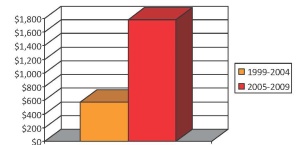
Further, these groups refuse to acknowledge the substantial, ongoing costs associated with coal plants. Since 1999, Wisconsin utilities have spent over $2 billion of customer money keeping old, inefficient coal plants running. For comparison purposes, this sum is nearly triple the utilities’ investment in windpower facilities during the same period. Customers have seen the real and substantial impact of these coal plant costs through rising electricity rates over the past several years. These costs are in addition to the more than $700 million (exclusive of transportation costs) we send out of state each year to pay for the coal to fuel these aging plants. Reliance on dirty, antiquated coal plants leaves Wisconsin in a vulnerable position, unable to predict or control energy costs.
Unlike coal, clean resources like biogas, wind and solar will produce energy throughout their productive lives without requiring costly pollution abatement measures. Going forward, the more renewable energy we add to Wisconsin’s energy resource mix, the less exposed we will be to these downstream liabilities. The avoidance of these regulatory risks is another compelling reason for passing the Clean Energy Jobs Act legislation in this session.
For Immediate Release
April 7, 2010
For More Information Contact
Michael Vickerman
608.255.4044
mvickerman@renewwisconsin.org
In recent weeks, some groups have suggested that we maintain our current energy portfolio, continuing to rely heavily on coal-fired generation for a substantial amount of our electricity. These groups claim that gradually moving toward more reliance on local, in-state sources of energy will increase electricity costs. These claims have been thoroughly discredited by two economic studies concluding that electricity bills will decrease with the Clean Energy Jobs Act.
Further, these groups refuse to acknowledge the substantial, ongoing costs associated with coal plants. Since 1999, Wisconsin utilities have spent over $2 billion of customer money keeping old, inefficient coal plants running. For comparison purposes, this sum is nearly triple the utilities’ investment in windpower facilities during the same period. Customers have seen the real and substantial impact of these coal plant costs through rising electricity rates over the past several years. These costs are in addition to the more than $700 million (exclusive of transportation costs) we send out of state each year to pay for the coal to fuel these aging plants. Reliance on dirty, antiquated coal plants leaves Wisconsin in a vulnerable position, unable to predict or control energy costs.
Unlike coal, clean resources like biogas, wind and solar will produce energy throughout their productive lives without requiring costly pollution abatement measures. Going forward, the more renewable energy we add to Wisconsin’s energy resource mix, the less exposed we will be to these downstream liabilities. The avoidance of these regulatory risks is another compelling reason for passing the Clean Energy Jobs Act legislation in this session.
Coal Plant Retrofit Costs (1999-2009)
(in Millions of Dollars)

Wednesday, April 7, 2010
Wisconsin Public Service Corp. wants to increase electric, gas rates
From an article by Richard Ryman in The Northwestern (Oshkosh):
Utility says one reason it needs hike is people are conserving energy
Wisconsin Public Service Corp. is asking to raise utility rates by $6.25 per month in 2011.
The Green Bay-based utility said Thursday it filed a request with the state Public Service Commission asking for a 6.9 percent increase in electricity rates and a 1.2 percent increase in natural gas distribution rates. The utility calculates the rate hike would increase typical residential electricity bills by $5.31 per month and typical natural gas bills by 94 cents per month.
The company said decreased electricity and natural gas use because of recession and increased conservation and energy-efficiency efforts are the major factors in the request.
David Kyto, director of rate case process, said the utility has cut $36 million in expenses, but other fixed costs, such as repair and maintenance of electrical lines, natural gas pipes and substations, cannot be reduced. That reduction includes the elimination of 220 jobs.
"We simply can't cut back on the activities that make sure the lights come on when the switch is turned and the furnace operates when the thermostat calls for heat," Kyto said.
The utility is in the midst of a four-year pilot program using decoupled rates. Under decoupling, the utility is guaranteed a set amount of revenue in return for enacting conservation measures and encouraging its customers to do the same. Decoupled rates apply to residential customers and small commercial customers, but not to large industrial users.
The Public Service Commission approved the decoupling mechanism because it reasoned that utilities would have no incentive to encourage consumers to buy less electricity and gas if they weren't guaranteed a set amount of revenue if sales were less than projections.
Utility says one reason it needs hike is people are conserving energy
Wisconsin Public Service Corp. is asking to raise utility rates by $6.25 per month in 2011.
The Green Bay-based utility said Thursday it filed a request with the state Public Service Commission asking for a 6.9 percent increase in electricity rates and a 1.2 percent increase in natural gas distribution rates. The utility calculates the rate hike would increase typical residential electricity bills by $5.31 per month and typical natural gas bills by 94 cents per month.
The company said decreased electricity and natural gas use because of recession and increased conservation and energy-efficiency efforts are the major factors in the request.
David Kyto, director of rate case process, said the utility has cut $36 million in expenses, but other fixed costs, such as repair and maintenance of electrical lines, natural gas pipes and substations, cannot be reduced. That reduction includes the elimination of 220 jobs.
"We simply can't cut back on the activities that make sure the lights come on when the switch is turned and the furnace operates when the thermostat calls for heat," Kyto said.
The utility is in the midst of a four-year pilot program using decoupled rates. Under decoupling, the utility is guaranteed a set amount of revenue in return for enacting conservation measures and encouraging its customers to do the same. Decoupled rates apply to residential customers and small commercial customers, but not to large industrial users.
The Public Service Commission approved the decoupling mechanism because it reasoned that utilities would have no incentive to encourage consumers to buy less electricity and gas if they weren't guaranteed a set amount of revenue if sales were less than projections.
Tuesday, April 6, 2010
WPS utility customers will get refund
From an article in The Milwaukee Business Journal:
Customers of Wisconsin Public Service Corp. will receive an average refund of $9 on their April or May bill after state regulators approved an $11.3 million electricity refund.
Eric Callisto, chairman of the Public Service Commission of Wisconsin, which approved the refund request, said the refund was made possible by a drop in fuel costs in 2008 and 2009.
“The protections we have in place make sure that customers see refunds when fuel prices drop," Callisto said. "The PSC continues to work diligently to make sure that when fuel costs do dip, the ratepayers see the benefit as quickly as possible.”
The PSC monitors a utility’s fuel costs on a monthly basis. On March 24, 2009, Green Bay-based utility Wisconsin Public Service filed an application with the PSC to refund its overall fuel costs and accrued interest, and the PSC determined the refund amount of $11.3 million.
Customers of Wisconsin Public Service Corp. will receive an average refund of $9 on their April or May bill after state regulators approved an $11.3 million electricity refund.
Eric Callisto, chairman of the Public Service Commission of Wisconsin, which approved the refund request, said the refund was made possible by a drop in fuel costs in 2008 and 2009.
“The protections we have in place make sure that customers see refunds when fuel prices drop," Callisto said. "The PSC continues to work diligently to make sure that when fuel costs do dip, the ratepayers see the benefit as quickly as possible.”
The PSC monitors a utility’s fuel costs on a monthly basis. On March 24, 2009, Green Bay-based utility Wisconsin Public Service filed an application with the PSC to refund its overall fuel costs and accrued interest, and the PSC determined the refund amount of $11.3 million.
Tuesday, March 16, 2010
Wisconsin Public Service customer can win a home energy makeover
From a news release issued by Focus on Energy:
GREEN BAY, Wis. (March 11, 2010) – Starting March 15, 2010 – April 11, 2010, residential customers of Wisconsin Public Service (WPS) can enter to win a Home Energy Makeover. The Home Energy Makeover contest, sponsored by Focus on Energy and WPS in partnership with WFRV Channel 5, will award one lucky winner with energy-efficient improvements to their home including insulation and air sealing, ENERGY STAR® qualified appliances and lighting, and a high-efficiency furnace and air conditioner.
Homeowners who are WPS gas and electric customers are eligible and can enter online at myfocusmakeover.com. The purpose of the prize, valued at over $23,000, is meant to draw attention to the growing importance of energy efficiency.
“The topic of energy efficiency and environmental responsibility continues to dominate the headlines, and many consumers are left wondering what they can do to make a difference,” says Sara Van de Grift, program director for Focus on Energy’s Residential Programs, “That’s why it’s our hope this contest will bring attention to the many things homeowners can do to save energy and make a difference. Whether it’s using compact fluorescent light bulbs (CFLs), adding insulation, or even implementing renewable-energy systems, Focus is here to help.”
Contest Winners
Five finalists will be randomly chosen to receive a home energy evaluation from Focus on Energy’s Home Performance with ENERGY STAR Program, as well as 20 CFLs. The grand prize winner will be announced during WFRV Channel 5’s morning newscast on Sunday, May 2, 2010.
GREEN BAY, Wis. (March 11, 2010) – Starting March 15, 2010 – April 11, 2010, residential customers of Wisconsin Public Service (WPS) can enter to win a Home Energy Makeover. The Home Energy Makeover contest, sponsored by Focus on Energy and WPS in partnership with WFRV Channel 5, will award one lucky winner with energy-efficient improvements to their home including insulation and air sealing, ENERGY STAR® qualified appliances and lighting, and a high-efficiency furnace and air conditioner.
Homeowners who are WPS gas and electric customers are eligible and can enter online at myfocusmakeover.com. The purpose of the prize, valued at over $23,000, is meant to draw attention to the growing importance of energy efficiency.
“The topic of energy efficiency and environmental responsibility continues to dominate the headlines, and many consumers are left wondering what they can do to make a difference,” says Sara Van de Grift, program director for Focus on Energy’s Residential Programs, “That’s why it’s our hope this contest will bring attention to the many things homeowners can do to save energy and make a difference. Whether it’s using compact fluorescent light bulbs (CFLs), adding insulation, or even implementing renewable-energy systems, Focus is here to help.”
Contest Winners
Five finalists will be randomly chosen to receive a home energy evaluation from Focus on Energy’s Home Performance with ENERGY STAR Program, as well as 20 CFLs. The grand prize winner will be announced during WFRV Channel 5’s morning newscast on Sunday, May 2, 2010.
Tuesday, January 5, 2010
Iowa wind farm is generating power for WPS
A blog post by Thomas Content on JSonline:
Wisconsin Public Service Corp. said Tuesday it has finished construction of its Crane Creek wind farm, a project in north central Iowa that began generating electricity in late December.
WPS owns and operates the $251 million wind farm, which was built to help the Green Bay utility comply with the state’s renewable portfolio standard. The project consists of 66 wind turbines capable of generating 99 megawatts of power.
The standard requires Wisconsin’s utilities to generate 10% of the state’s electricity from renewable power sources by 2015.
The project, located about 65 miles west of La Crosse, was completed “slightly ahead of schedule and well within budget,” said Conrad Weis, the utility’s project manager.
Wisconsin Public Service Corp. said Tuesday it has finished construction of its Crane Creek wind farm, a project in north central Iowa that began generating electricity in late December.
WPS owns and operates the $251 million wind farm, which was built to help the Green Bay utility comply with the state’s renewable portfolio standard. The project consists of 66 wind turbines capable of generating 99 megawatts of power.
The standard requires Wisconsin’s utilities to generate 10% of the state’s electricity from renewable power sources by 2015.
The project, located about 65 miles west of La Crosse, was completed “slightly ahead of schedule and well within budget,” said Conrad Weis, the utility’s project manager.
Wednesday, November 25, 2009
WPS planning layoffs and furloughs
From a story by Cameron Clark on WLUK-TV (Green Bay):
GREEN BAY - There has been a lot less juice flowing through the power lines at Wisconsin Public Service.
"Primarily in the large commercial use, it is down almost nine percent from last year," said WPS spokesman Kerry Spees.
As a result, Spees and about 600 other WPS administrators will be forced to take an unpaid week off in 2010. Even more concern, WPS's holding company, Integrys, has announced there will be layoffs at all of its five utility companies in the Midwest.
"The numbers haven't been determined but there will be and impact," said Spees.
Paul Jadin with the Green Bay Area Chamber says the dip in demand for power is probably a lagging indicator of the recession.
GREEN BAY - There has been a lot less juice flowing through the power lines at Wisconsin Public Service.
"Primarily in the large commercial use, it is down almost nine percent from last year," said WPS spokesman Kerry Spees.
As a result, Spees and about 600 other WPS administrators will be forced to take an unpaid week off in 2010. Even more concern, WPS's holding company, Integrys, has announced there will be layoffs at all of its five utility companies in the Midwest.
"The numbers haven't been determined but there will be and impact," said Spees.
Paul Jadin with the Green Bay Area Chamber says the dip in demand for power is probably a lagging indicator of the recession.
Wednesday, October 14, 2009
The cost of clean air
From an article by Mike Ivey in The Capital Times:
For more than a decade, customers at Madison Gas & Electric have voted with their pocketbooks for cleaner energy.
Under the voluntary "Green Power Tomorrow" program, more than 12,000 MGE customers - nearly 10 percent of its total customer base - pay on average a premium of about $6 per month to get their electricity from such nonpolluting sources as wind.
"It's been a very reasonable way to reduce our carbon footprint," says Tom Yager, 37, a stay-at-home father of two who lives in Seminole Forest. "It's also helped us track how much electricity we're using and find ways to cut back."
MGE's program has been so successful, in fact, that the company was recently honored by the U.S. Department of Energy with its Utility Green Power Program of the Year Award.
But the bigger question facing all utility customers across Wisconsin is whether they are willing to pay more for their electricity - by some accounts 30 percent more - in the name of saving the planet. Proposed federal rules aimed at curbing such greenhouse gas emissions as carbon dioxide (CO2) would fall most heavily on such states as Wisconsin that rely on fossil fuels to generate most of their
electricity. . . .
And with the state economy already struggling with manufacturing job losses, [Scott Manley, who heads environmental programs for Wisconsin Manufacturers & Commerce, the state's largest business lobbying group,] is concerned that additional mandates or tougher limits on emissions will further hamstring business efforts. He estimates it could cost $15 billion to reach the 25 percent renewable goal within the next 15 years.
"The fact is, these things are not free, they are tremendously expensive," he says.
WMC has even come out with a survey showing that while Wisconsin residents are concerned about global warming and clean energy, most aren't ready to pay more to address it. The survey of likely voters found that 73 percent are opposed to any increased fees on utility bills to pay for energy conservation. Those polled were, by a 3-1 margin, also against paying as little as $25 a month to curb greenhouse gas emissions.
But clean energy advocates say this is exactly the time to be pushing energy alternatives.
They point to a competing survey from the Forest County Potawatomi showing widespread support for reductions in greenhouse gases like CO2. The poll found support for climate change legislation crossing party lines, with 53 percent of Republicans, 67 percent of independents and 87 percent of Democrats favoring action at the state level.
Michael Vickerman, executive director of Renew Wisconsin, thinks the state should set ambitious goals and send a signal it's serious about wind, solar and other clean energy alternatives.
"Even if we reach 10 percent (renewables) by 2015 it doesn't mean you just stop there," he says.
To that end, Gov. Doyle last month signed legislation to allow uniform rules for the development of small wind farms. Vickerman calls it the most significant piece of clean energy legislation ever passed in Wisconsin, crediting WMC for helping to make it happen. "They really helped us line up Republican votes, otherwise I don't think it would have passed," says Vickerman.
The new law requires the PSC to issue standardized rules for the entire state. Local units of government would then apply these standards as they consider small wind farms of under 100 megawatts.
Vickerman is optimistic that wind power will continue to gain support in the state. He says a project to watch is the proposed Glacier Hills wind project in Columbia County from We Energies that would add 90 turbines producing up to 162 megawatts of electricity.
While Wisconsin doesn't have the ideal landscape for wind power as does Minnesota, Vickerman says that's no reason to stand pat.
"Our wind resources are robust enough," he says. "If we were fully committed, we could accommodate another 1,000 megawatts."
For more than a decade, customers at Madison Gas & Electric have voted with their pocketbooks for cleaner energy.
Under the voluntary "Green Power Tomorrow" program, more than 12,000 MGE customers - nearly 10 percent of its total customer base - pay on average a premium of about $6 per month to get their electricity from such nonpolluting sources as wind.
"It's been a very reasonable way to reduce our carbon footprint," says Tom Yager, 37, a stay-at-home father of two who lives in Seminole Forest. "It's also helped us track how much electricity we're using and find ways to cut back."
MGE's program has been so successful, in fact, that the company was recently honored by the U.S. Department of Energy with its Utility Green Power Program of the Year Award.
But the bigger question facing all utility customers across Wisconsin is whether they are willing to pay more for their electricity - by some accounts 30 percent more - in the name of saving the planet. Proposed federal rules aimed at curbing such greenhouse gas emissions as carbon dioxide (CO2) would fall most heavily on such states as Wisconsin that rely on fossil fuels to generate most of their
electricity. . . .
And with the state economy already struggling with manufacturing job losses, [Scott Manley, who heads environmental programs for Wisconsin Manufacturers & Commerce, the state's largest business lobbying group,] is concerned that additional mandates or tougher limits on emissions will further hamstring business efforts. He estimates it could cost $15 billion to reach the 25 percent renewable goal within the next 15 years.
"The fact is, these things are not free, they are tremendously expensive," he says.
WMC has even come out with a survey showing that while Wisconsin residents are concerned about global warming and clean energy, most aren't ready to pay more to address it. The survey of likely voters found that 73 percent are opposed to any increased fees on utility bills to pay for energy conservation. Those polled were, by a 3-1 margin, also against paying as little as $25 a month to curb greenhouse gas emissions.
But clean energy advocates say this is exactly the time to be pushing energy alternatives.
They point to a competing survey from the Forest County Potawatomi showing widespread support for reductions in greenhouse gases like CO2. The poll found support for climate change legislation crossing party lines, with 53 percent of Republicans, 67 percent of independents and 87 percent of Democrats favoring action at the state level.
Michael Vickerman, executive director of Renew Wisconsin, thinks the state should set ambitious goals and send a signal it's serious about wind, solar and other clean energy alternatives.
"Even if we reach 10 percent (renewables) by 2015 it doesn't mean you just stop there," he says.
To that end, Gov. Doyle last month signed legislation to allow uniform rules for the development of small wind farms. Vickerman calls it the most significant piece of clean energy legislation ever passed in Wisconsin, crediting WMC for helping to make it happen. "They really helped us line up Republican votes, otherwise I don't think it would have passed," says Vickerman.
The new law requires the PSC to issue standardized rules for the entire state. Local units of government would then apply these standards as they consider small wind farms of under 100 megawatts.
Vickerman is optimistic that wind power will continue to gain support in the state. He says a project to watch is the proposed Glacier Hills wind project in Columbia County from We Energies that would add 90 turbines producing up to 162 megawatts of electricity.
While Wisconsin doesn't have the ideal landscape for wind power as does Minnesota, Vickerman says that's no reason to stand pat.
"Our wind resources are robust enough," he says. "If we were fully committed, we could accommodate another 1,000 megawatts."
Friday, July 17, 2009
Utilities fund nonprofit organization to promote greenhouse gas reduction efforts
From a news release issued by Governor Doyle:
MADISON – Governor Jim Doyle today announced the creation of a new nonprofit organization, the Wisconsin Climate Change Action Initiative, Inc. (WCCAI), to build on Wisconsin’s strong efforts to reduce greenhouse gas emissions. Formation of the nonprofit organization was recommended in the report from Governor Doyle’s Task Force on Global Warming as a way to build upon Wisconsin’s national leadership on climate change.
“The Wisconsin Climate Change Action Initiative brings together leaders of business, government, non-governmental advocacy organizations and the research community to increase voluntary conservation practices that will save money and have positive environmental impacts,” Governor Doyle said. “As we continue to move forward on the recommendations of my Global Warming Task Force will we be building our economy with clean and renewable energy, growing green jobs, and finding savings through energy conservation.”
WCCAI will focus on providing education, practical advice and expertise to residents, communities and businesses on simple, effective steps to reduce our carbon footprint, without affecting comfort or productivity. This effort will complement existing programs like the Focus on Energy Schools and Government Program and the Wisconsin Energy Independent Community Partnership which are designed to achieve Governor Doyle’s goal of getting 25 percent of our electricity and 25 percent of our transportation fuels from renewable sources by 2025.
"This is an exciting endeavor that will provide long term benefits to Wisconsin," said Roy Thilly, WPPI Energy CEO. "As a co-chair of the Governor's Task Force on Global Warming, I appreciate very much Governor Doyle's leadership on the issue of climate change and his commitment to this important initiative."
“Providing opportunities for environmental education informed citizens empowered with the info they need to make informed decisions about their future,” said Tia Nelson, co-chair of the Governor's Task Force on Global Warming.
Initial funding will be provided through a $5 million contribution from We Energies, Madison Gas & Electric and WPPI Energy under an agreement with Clean Wisconsin and Sierra Club to resolve outstanding permit issues related to the Elm Road power plants under construction in Oak Creek.
MADISON – Governor Jim Doyle today announced the creation of a new nonprofit organization, the Wisconsin Climate Change Action Initiative, Inc. (WCCAI), to build on Wisconsin’s strong efforts to reduce greenhouse gas emissions. Formation of the nonprofit organization was recommended in the report from Governor Doyle’s Task Force on Global Warming as a way to build upon Wisconsin’s national leadership on climate change.
“The Wisconsin Climate Change Action Initiative brings together leaders of business, government, non-governmental advocacy organizations and the research community to increase voluntary conservation practices that will save money and have positive environmental impacts,” Governor Doyle said. “As we continue to move forward on the recommendations of my Global Warming Task Force will we be building our economy with clean and renewable energy, growing green jobs, and finding savings through energy conservation.”
WCCAI will focus on providing education, practical advice and expertise to residents, communities and businesses on simple, effective steps to reduce our carbon footprint, without affecting comfort or productivity. This effort will complement existing programs like the Focus on Energy Schools and Government Program and the Wisconsin Energy Independent Community Partnership which are designed to achieve Governor Doyle’s goal of getting 25 percent of our electricity and 25 percent of our transportation fuels from renewable sources by 2025.
"This is an exciting endeavor that will provide long term benefits to Wisconsin," said Roy Thilly, WPPI Energy CEO. "As a co-chair of the Governor's Task Force on Global Warming, I appreciate very much Governor Doyle's leadership on the issue of climate change and his commitment to this important initiative."
“Providing opportunities for environmental education informed citizens empowered with the info they need to make informed decisions about their future,” said Tia Nelson, co-chair of the Governor's Task Force on Global Warming.
Initial funding will be provided through a $5 million contribution from We Energies, Madison Gas & Electric and WPPI Energy under an agreement with Clean Wisconsin and Sierra Club to resolve outstanding permit issues related to the Elm Road power plants under construction in Oak Creek.
Wednesday, February 11, 2009
WPS asks to give customers $5 million refund
An article in the Appleton Post-Crescent:
Green Bay-based Wisconsin Public Service Corp. is seeking regulatory permission to refund $5 million to its electric customers.
The utility said today it filed the request with the state Public Service Commission.
The utility says the refund is necessary because of lower fuel costs during the last half of 2008 and lower expenses to purchase power.
WPS says the refund for the typical residential customer will be about $3.36.
If approved by the PSC, the utility says the refunds will be made in the March and April bills.
The company serves almost 430,000 electric customers in northeastern and central Wisconsin and part of Upper Michigan.
Green Bay-based Wisconsin Public Service Corp. is seeking regulatory permission to refund $5 million to its electric customers.
The utility said today it filed the request with the state Public Service Commission.
The utility says the refund is necessary because of lower fuel costs during the last half of 2008 and lower expenses to purchase power.
WPS says the refund for the typical residential customer will be about $3.36.
If approved by the PSC, the utility says the refunds will be made in the March and April bills.
The company serves almost 430,000 electric customers in northeastern and central Wisconsin and part of Upper Michigan.
Subscribe to:
Posts (Atom)